How to Overcome Dental Anxiety

Recently Dr. Smith and our Spokane Dental team received this review on our Facebook page from one of our patients:

Get tips and tricks to maintaining your optimal health, and learn about new procedures.
Recently Dr. Smith and our Spokane Dental team received this review on our Facebook page from one of our patients:
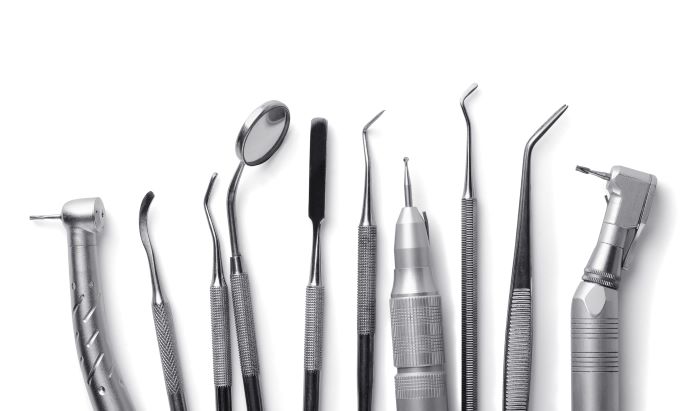
Ever been to the dentist and wondered what exactly we are cleaning, checking, and x-ray-ing?
 The dental health of your children is one of the many things that you feel responsible for as a parent. By providing your kids with the oral health care they need – both by taking them to the dentist and by building good habits at home – you’ll be doing them a favor that can last a lifetime. In this article, we’d like to touch on how sealants and fluoride treatments can help to set your child up for good dental health. You may not know much about this topic at this point, but that’s okay. Feel free to read through this post to get up to speed on the basics and let us know if you have any questions.

Now that we are all wearing masks for a large part of our day, it is easy to be hyper aware of how our breath smells thanks to, well, smelling it all day.
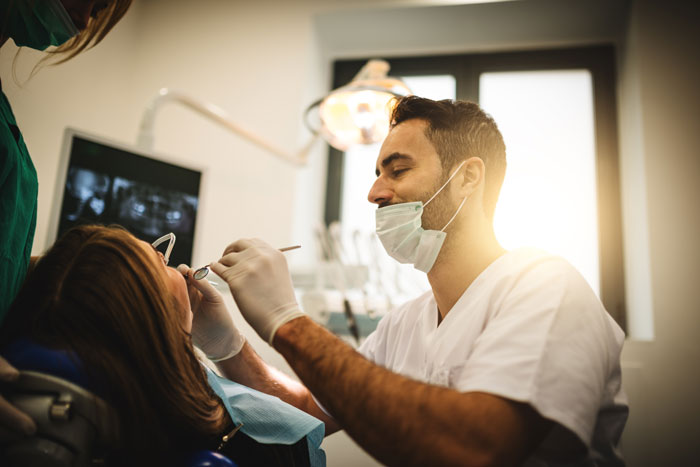
We all know the feeling of squeaky clean teeth when we walk out of our dental cleaning appointment, but have you ever wondered what exactly your hygienist is doing in there? A lot goes into a dental cleaning, perhaps more than you even expect. Here is what really happens during a dental cleaning:
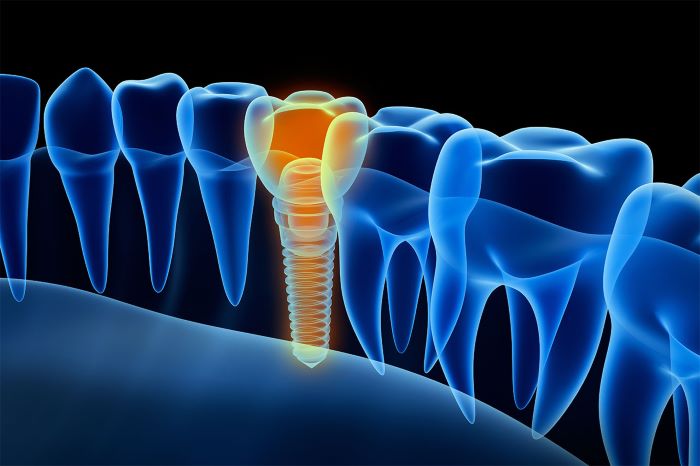
Thanks to Dr. Smith’s extensive training along with our state of the art dental imaging, dental implants are a safe, effective, and functional way we can restore our patient’s smiles at Spokane Dental.
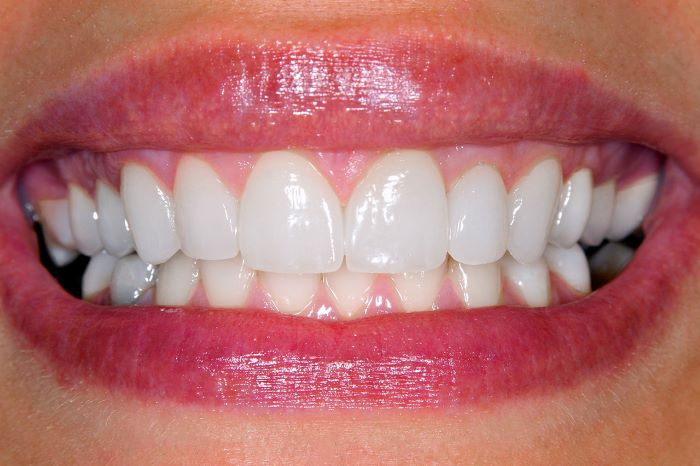
We all know the dental aisle can be overwhelming. Picking out a toothbrush, floss, and toothpaste is a large enough task to take on, but adding mouthwash to the list is enough to send anyone over the edge.

We all know how important brushing is to oral health. We can notice the difference visually, and even feel the fuzzy plaque buildup after missing a morning tooth brushing.

As with any serious health condition, early intervention is key to the successful treatment of periodontal disease.
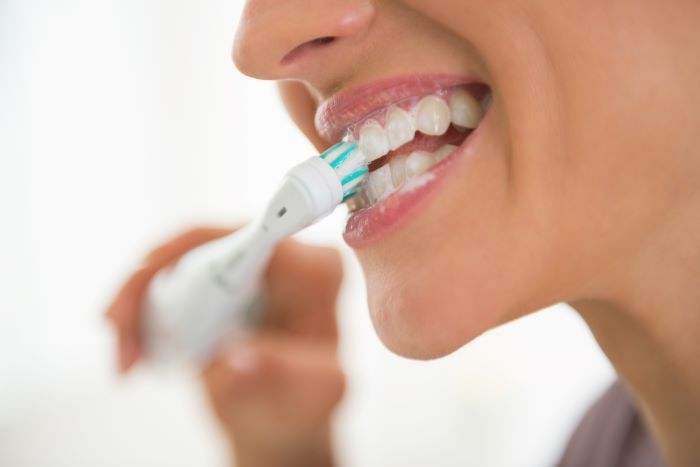
The toothpaste aisle can be intimidating even for the most dental-savvy among us. No matter how many choices are available for toothpastes, it can all be boiled down to which active ingredient will take care of your concern.
 Spokane Dental
We are back from the wild fire evacuation, and will resume normal business hours from Monday Aug 10 on.

Dr. Trason Shoquist, DMD, New Owner Dentist
U.S. Army veteran · Roseman University · A patient-first approach rooted in listening.