Spokane Dental Blog

Get tips and tricks to maintaining your optimal health, and learn about new procedures.

Cavity Fillings: Do They Hurt?

blog

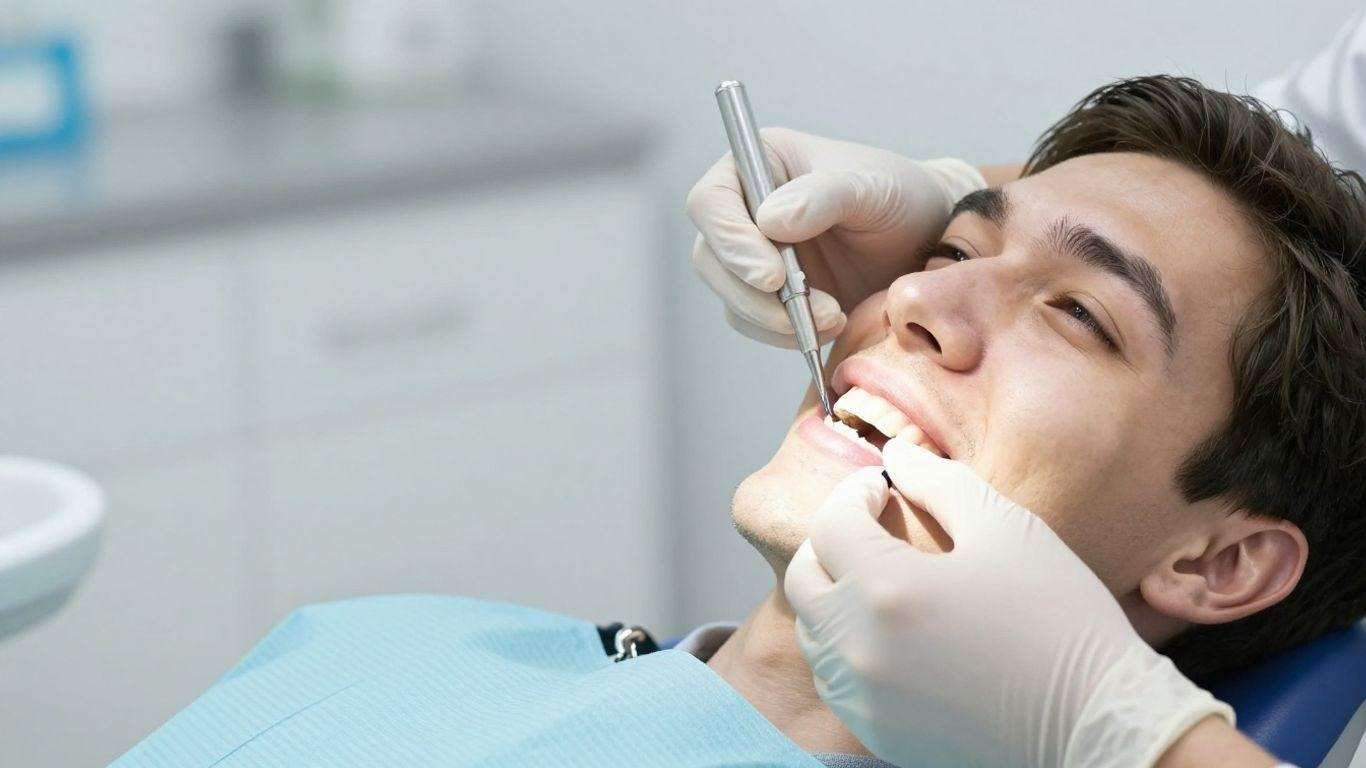
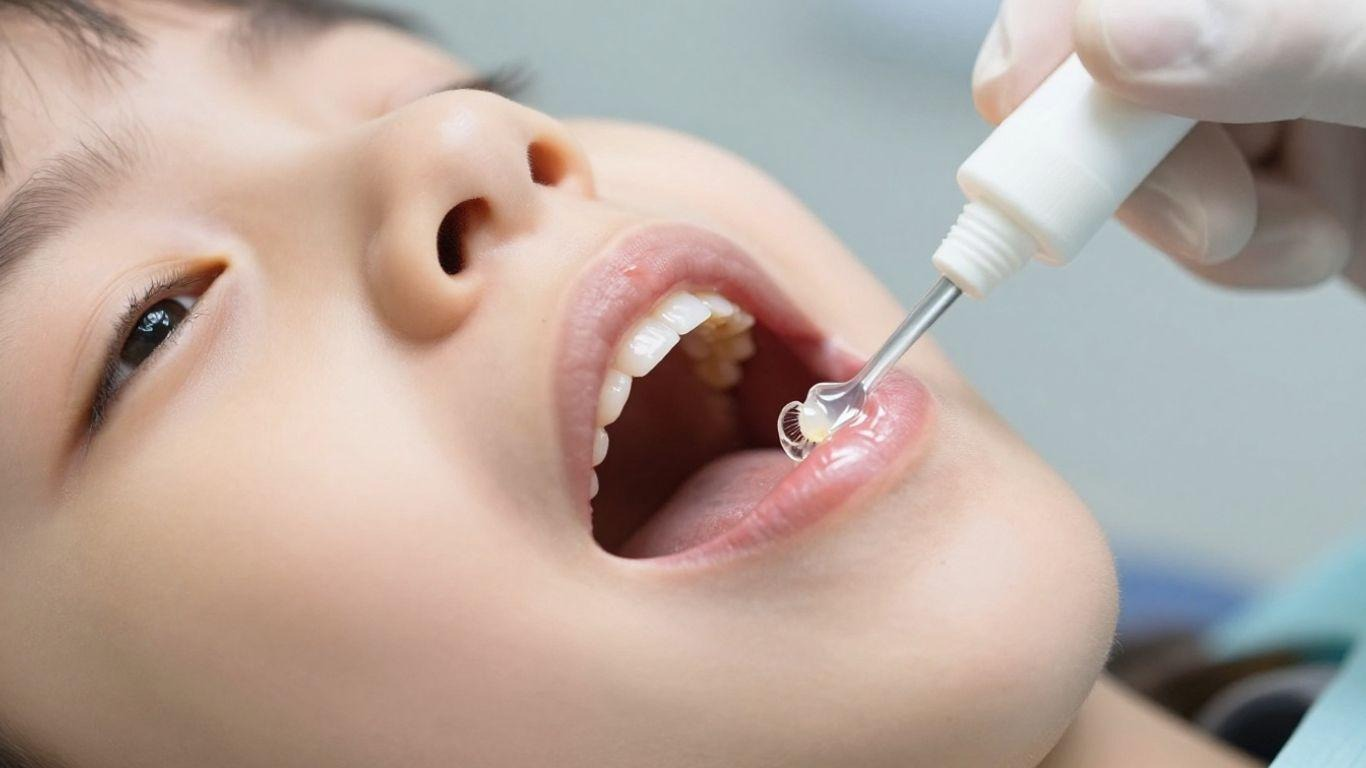
When your dentist tells you that you need a cavity filling, it's normal to wonder about the experience. Will it hurt? This is a common question, especially if you've had a bad toothache before. The good news is that modern dentistry has made great strides in making sure dental fillings are as comfortable as possible. Let's take a look at what a cavity filling involves and what you can expect regarding pain.


Read More

What Are Dentures?

blog

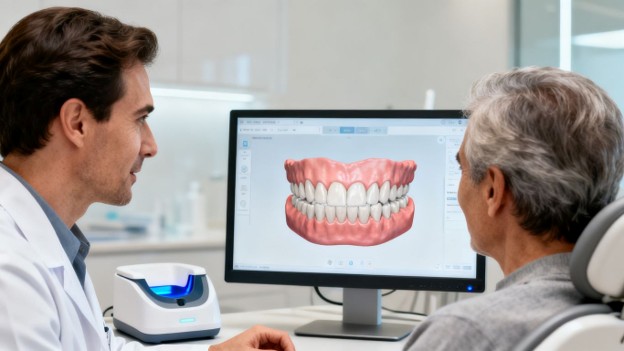
Losing teeth can affect how you eat, speak, and feel about your smile. Dentures are a long-standing and effective solution that help replace missing teeth, restore function, and improve confidence. They are custom-made dental appliances designed to look and function like natural teeth.


Read More

How to Reduce Pain After Dental Implant Surgery

blog

Getting dental implants is a big step toward a healthier, more confident smile. While it’s a highly effective solution for missing teeth, some discomfort after the procedure is normal. The good news is that pain after dental implant surgery is usually manageable with the right care. This guide explains how to relieve pain, support healing, and reduce discomfort naturally for a smoother recovery.


Read More

Replacing What’s Lost: How Dental Implants Restore More Than Just a Smile

Implants

Missing teeth are more than just a cosmetic issue. When a tooth is lost—whether due to advanced periodontitis, injury, or natural wear—it affects the entire mouth. Over time, the surrounding bone begins to deteriorate, nearby teeth may shift, and facial structure can change. These effects impact chewing, speech, and overall oral health.

Dental implants offer a powerful solution. While bridges and dentures replace only the visible portion of a tooth, implants act like natural roots, stimulating the bone and preventing long-term deterioration. Spokane Dental emphasizes that implants provide functional and biological benefits that traditional prosthetics cannot match.


Read More

When Teeth Weaken, Crowns Offer a Second Chance

Crowns

It often begins with a tooth that is badly decayed, heavily filled, or fractured. It may still function, but it is no longer structurally strong. Over time, this weakness can lead to pain, infection, or even tooth loss. In such cases, a dental crown is more than a cosmetic enhancement—it is a long-term solution to protect and restore oral health.

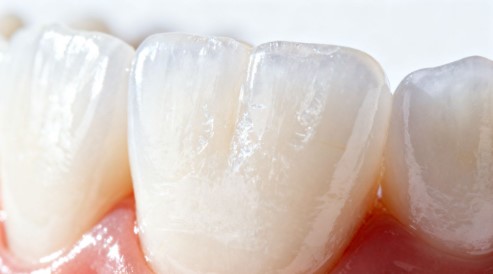
Crowns, or “custom-made caps that fully encase a tooth,” strengthen weakened teeth and restore their natural shape. They are essential in modern dentistry because they enhance aesthetics while also preventing additional damage.


Read More

Light, Laughter, and the Subtle Shift of a Smile

Healthier-Smile

It happens gradually—most don’t notice it at first. The shift from white to off-white isn’t about decay or poor hygiene. Life leaves marks from coffee, wine, medications, or simply aging. Modern whitening addresses these changes with precision and care, protecting enamel and gums while improving a smile.

What Whitening Can—and Can’t—Do

Not all stains respond the same way:

  • Superficial stains: Caused by drinks, sauces, or tobacco, usually respond well to peroxide-based whitening.
  • Deep stains: From medications, trauma, fluoride, or aging may resist whitening or respond partially.

Professional assessment ensures safe, effective treatment and identifies which smiles are candidates.


Read More

When Oral Health Begins, Everything That Follows Changes

Oral-Health

By the time most children lose their first tooth, their dental story has already begun—shaped by habits, nutrition, and often, silence around oral care. One of the most persistent myths in pediatric dentistry is that baby teeth don’t matter because they’re temporary. In truth, these first teeth play an outsized role in a child’s development. They influence how the jaw forms, how a child speaks and eats, and whether adult teeth have the space and guidance they need to emerge without complication.

When cavities strike early, the consequences can extend well beyond the tooth itself. Pain, infection, and interrupted sleep are only the beginning. If left untreated, even small problems can alter the path of oral development in ways that echo for decades.


Read More

Dental Fillings: What They Are, Why They Matter

Dental

Cavities don’t usually announce themselves. For many people, it starts with a little sensitivity to cold or sweets—easy to ignore at first. But that discomfort signals a process that, if left untreated, can damage the structure of a tooth. One of the simplest and most effective ways to stop that progression is with a dental filling.

A well-placed filling does more than patch a tooth. It strengthens it, prevents further decay, and helps preserve long-term oral health.


Read More

When Healthy Gums Are No Longer a Given

Gums

Most people don’t think about their gums until something feels off—bleeding when brushing, a bit of swelling, maybe tenderness along the gumline. These symptoms are easy to dismiss. But they can be signs of an early stage of periodontal disease, which is both very common and very underappreciated.

At its worst, this condition doesn't just make your breath smell bad or hurt a little; it also weakens the structures that hold your teeth in place. If you don't take care of it, it can cause bone loss, tooth movement, and eventually tooth loss. Things that start out quietly below the surface can be hard to change back without help.


Read More

Dental Implants 101: What to Know Before Replacing a Missing Tooth

Implants

Losing a tooth can be unsettling. Beyond the visible gap in your smile, it may change how you chew, speak, or even how you carry yourself around others. While dentures and bridges have been relied upon for decades, dental implants have become the go-to option for many people looking for a long-term, natural-looking solution. If you’ve been thinking about replacing a missing tooth, this guide will walk you through what implants are, how they work, and what to expect before getting one.


Read More