
The 5 Stages of Tooth Decay (And When It Can Still Be Reversed)
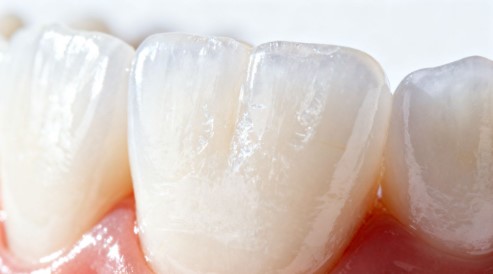
Understanding how your teeth change over time is essential for keeping a bright, healthy smile. Decay often starts silently, but catching it early makes treatment simple. Knowing exactly where your dental health stands helps you decide when to schedule a visit. At Spokane Dental, our team walks patients through each stage of decay so they know what to watch for and when to act.
Early-Stage Cavity vs. Advanced Decay: What's the Difference?
Early-stage decay is essentially demineralization, where the enamel begins to weaken from acid buildup. At this stage you might notice subtle white spots as minerals are stripped away. The good news is that this first stage is often reversible with the right preventive care and fluoride. Advanced decay is different: it involves physical destruction of the tooth, usually showing up as visible pits or dark spots that need professional restoration. Our preventive care services focus on catching decay while it is still in that reversible window.
Can Early Tooth Decay Be Reversed Naturally?
Many patients wonder whether enamel can repair itself once damage has begun. Very early on, your teeth can indeed remineralize if you consistently follow a strict oral hygiene routine. Fluoride treatments help strengthen the outer layer before a cavity fully forms. According to MouthHealthy, the American Dental Association's patient resource, fluoride and good daily habits can reverse or stop early decay before it becomes permanent. If you notice new sensitivity, addressing it right away is the best path forward.
How Fast Does Tooth Decay Progress Without Treatment?
Tooth decay does not move at a uniform speed; it depends on your diet and daily maintenance. Once bacteria reach the deeper dentin layer, mineral loss speeds up because dentin is much softer than enamel. If it is neglected long enough, decay eventually reaches the pulp, which often causes intense pain and long-term complications that require more invasive care. To understand the typical progression, consider the milestones dentists look for during an exam:
- White spots appear where mineral content drops.
- Brown patches indicate the decay has breached the enamel surface.
- Sensitivity develops as nerve endings become exposed.
- Severe pain suggests the pulp has been compromised by infection.
By tracking these changes, you can see why prompt care helps you avoid complex restorative work later.
What Each Stage of Tooth Decay Looks and Feels Like
Recognizing the visual and physical cues of decay can save you from real discomfort down the line. Most people assume decay always hurts, but the early stages are almost always symptom-free. Watching your teeth for changes in texture or color is a simple way to stay ahead of problems, and a routine professional cleaning and exam gives you the best chance of catching these signs before they become serious.
Treatment Options at Every Stage of Decay
The right treatment depends entirely on how far the damage has traveled into the tooth. A dentist categorizes the progress to recommend the most conservative option that will still be effective.
| Stage of Decay | Typical Finding | Recommended Treatment |
|---|---|---|
| Phase 1 | Initial white spots | Fluoride therapy |
| Phase 2 | Enamel cavity | Standard composite filling |
| Phase 3 | Dentin compromise | Custom dental crown |
| Phase 4 | Pulp involvement | Root canal therapy |
This progression runs from early mineral loss to deep infection. By matching the intervention to the stage, our restorative dentistry team can protect the remaining healthy tooth structure and restore full function.
How Regular Checkups Catch Decay Before It Spreads
Professional exams provide a level of visibility you simply cannot get at home with a bathroom mirror. Dentists use advanced imaging to spot hidden demineralization between teeth or underneath old restorations. Tools like our cone beam imaging help make sure no soft spot goes unnoticed during your routine visit, which means small problems get treated before they turn into big ones.
Prevention Tips to Stop Decay From Progressing
Stopping decay before it takes hold comes down to a mix of daily habits and consistent professional oversight. Consistency is the key factor, since even a missed day of cleaning lets acid-producing bacteria regain control of your oral microbiome. Diligent flossing combined with a balanced diet creates a protective barrier that keeps your teeth stronger for years. Because children are just as prone to decay as adults, our pediatric dental care helps families build these habits early. By keeping your enamel fortified against acids, you lower the odds that tiny spots will grow into larger cavities.
Conclusion
Addressing tooth decay early keeps your natural teeth healthy and functional for a lifetime, and it is far easier than late-stage repair. If you have noticed white spots, sensitivity, or discoloration, contact our team to schedule an exam.
Frequently Asked Questions
Can tooth decay heal itself without visiting a dentist?
If decay is limited to the surface enamel, you can potentially remineralize it through fluoride and better hygiene, but deeper cavities in the dentin cannot heal on their own.
How can I tell the difference between a stain and a cavity?
Stains usually color multiple teeth in a pattern, while a cavity often appears as a single, isolated dark or chalky spot on one specific tooth.
Does tooth pain always mean I have a cavity?
Not necessarily. Pain can also come from gum recession, teeth grinding, or cracked fillings, but any persistent sensitivity should be evaluated by a professional.
Is it possible for a child to have tooth decay?
Yes. Children are just as susceptible as adults, especially if they drink sugary beverages or have trouble brushing hard-to-reach areas.
How often should I see a dentist to prevent decay?
A standard recommendation is every six months, though people at higher risk for decay may need cleanings more frequently.
About the Author
Spokane Dental is a family dental practice at 315 W Hastings Rd in Spokane, Washington, led by Dr. Trason Shoquist, DMD, a U.S. Army veteran and graduate of Roseman University. The practice provides preventive, restorative, cosmetic, pediatric, and emergency dental care, with an approach that starts with listening to each patient and explaining findings and treatment options in plain language.
Medical Disclaimer
The information provided in this article is for educational purposes only and does not constitute professional medical or dental advice, diagnosis, or treatment. Always seek the advice of your dentist or other qualified health provider with any questions you may have regarding a medical condition or treatment. Never disregard professional medical advice or delay in seeking it because of something you have read here.
Blog Post Author

Contributed by DentalROI
DentalROI provides relevant dental content to help providers educate patients. The statements, services, and products referenced in this article have not been evaluated by the Food and Drug Administration, and they are not intended as a substitute for professional medical advice, diagnosis, or treatment. Always seek the advice of your dental provider with any questions or issues you may have. Specific recommendations may vary in different circumstances, so individual consultation is important.