
What Are Dental Sealants and Who Should Get Them?
Are dental sealants only for children or can adults benefit too?
So, what exactly are dental sealants? Think of them as a super thin, protective shield that dentists paint onto the chewing surfaces of your back teeth, like your molars and premolars. These teeth have all sorts of tiny grooves and pits where food bits and cavity-causing bacteria love to hang out, and honestly, brushing alone can't always get them all. Sealants fill in those nooks and crannies, making it way harder for decay to start.
Now, a common question is whether these are just for kids. While it's true that children and teenagers are prime candidates – especially when their permanent teeth are coming in, usually between ages 6 and 14 – adults can totally benefit too! If you've got back teeth without any fillings or decay, and you're prone to cavities, sealants can be a great way to add an extra layer of defense. It’s not just about baby teeth or newly erupted adult teeth; it’s about protecting those vulnerable chewing surfaces wherever they are.
Basically, if your back teeth have those deep grooves that are tricky to keep clean, and you're looking for a simple way to fight off cavities, sealants are worth considering. They're a quick, painless procedure that can make a big difference in keeping your smile healthy.
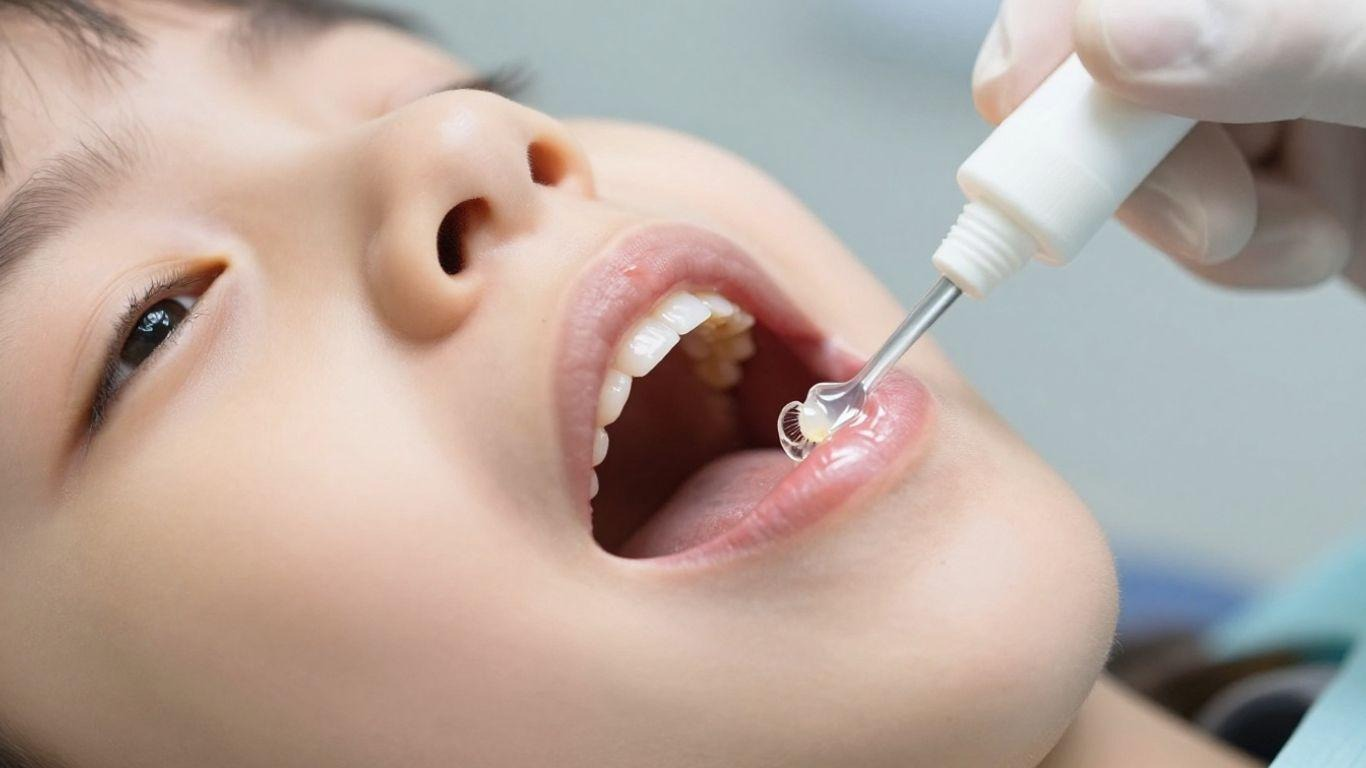
Sealants act like a barrier, blocking out the stuff that leads to cavities in the hard-to-reach spots on your molars and premolars.
Here’s a quick rundown of who usually gets them:
- Kids and Teens: Especially when their permanent molars and premolars start to appear. Their brushing habits might not be perfect yet, and these teeth are prime targets for decay.
- Adults: If you have decay-free back teeth with deep grooves, sealants can offer protection.
- Anyone Prone to Cavities: If you've had cavities before or your dentist notices areas that are difficult to clean, sealants are a smart preventive step.
Dental Sealants Explained for Adults and Kids
Dental sealants are kind of underrated, considering how much they do. They’re basically a thin, protective layer your dentist paints onto the chewing surfaces of your back teeth. This invisible shield covers the tiny grooves and pits where food, sugar, and bacteria hang out—stuff that’s really hard to reach with a toothbrush.
It sounds super simple, but it’s honestly one of the best things you can do to protect your teeth from cavities. Not just for kids either—adults can totally benefit from sealants too, especially if they’ve had their fair share of fillings already or just have teeth with deep grooves.
Which teeth are most commonly sealed and why?
Here’s the deal: not all teeth get the sealant love. Dentists focus on the ones with the deepest grooves, mostly the molars and premolars in the very back of your mouth.
- First and second permanent molars: These pop up around ages 6 and 12 and hang out for the rest of our lives (hopefully). The grooves here are perfect places for cavities to start.
- Sometimes baby teeth: If your kiddo has deep grooves in their baby teeth and tends to get cavities, the dentist might seal these too.
- Adult molars: If you’ve avoided fillings so far, or if you just have teeth that seem to trap everything, sealants are worth talking about at your next cleaning.
Here’s a quick table for a visual on who might get their teeth sealed and when:
| Age Group | Teeth Commonly Sealed |
|---|---|
| Kids (6-12 years) | First & second molars |
| Teens | Molars, sometimes premolars |
| Adults | Molars (if cavity-prone) |
Don’t assume dental sealants are just for kids—if you notice you’re always fighting cavities in the same spots, they might be worth asking about at your next appointment, no matter your age.
So, that’s dental sealants explained for adults and kids—simple, fast, and great for anyone looking to avoid more time in the dentist’s chair. If you or your child are cavity-prone, it’s an easy extra layer of protection worth having.
How Do Dental Sealants Prevent Cavities?
So, how exactly do these little shields work their magic against cavities? It all comes down to the nooks and crannies. Your back teeth, especially molars, have these deep grooves and pits on their chewing surfaces. Think of them like tiny valleys where food bits and cavity-causing bacteria love to hang out. Brushing is great, but those toothbrush bristles just can't always get into every single one of those tiny spaces.
When food and bacteria get stuck in there, they have a party, producing acids that can eat away at your tooth enamel. Over time, this leads to cavities. Dental sealants act like a protective barrier, filling in those grooves and fissures to keep the bad stuff out.
Here's the breakdown of how they stop cavities before they start:
- Blocking Entry: The sealant material creates a smooth, physical shield over the vulnerable parts of your tooth's chewing surface.
- No Food, No Fuel: This barrier prevents food particles from getting trapped in the pits and fissures, meaning bacteria have less to feed on.
- Less Bacteria, Less Acid: With less food available, the cavity-causing bacteria can't produce as much acid, which is the main culprit behind tooth decay.
It's a pretty simple concept, but super effective. They essentially make those hard-to-clean areas much easier to keep clean and safe from decay.
Applying a sealant is a quick and painless process. Your dentist or hygienist will clean and dry the tooth, apply a special solution to help the sealant stick, rinse it off, and then paint the sealant material into the grooves. A special light might be used to harden it. That's it!
While fluoride is awesome for strengthening enamel, it doesn't quite seal up those deep grooves as effectively as a sealant does. So, sealants are like an extra layer of defense, especially for those back teeth that do most of the heavy chewing.
Are Dental Sealants Worth It for Adults?
Let’s talk straight: most people think dental sealants are just for kids. But the question “are dental sealants worth it for adults” comes up more often than you’d expect. Turns out, there are some solid reasons adults might want to consider getting them, even if they didn’t have them as kids.
Do adult teeth benefit as much as children's teeth from sealants?
First off, sealants do the same basic job whether you’re 8 or 38. They block food and bacteria from getting stuck in those deep grooves on your molars. But do adults actually get the same benefits? Here’s the breakdown:
- Cavity risk: Adults have had their teeth longer, so there could already be fillings or even small cavities. Sealants are most effective on healthy teeth without existing decay.
- Oral hygiene: Generally, adults are better at brushing and flossing than kids, so the extra protection might not be as necessary, but it can still help if you’re prone to cavities.
- Insurance factors: Most insurance plans will cover sealants for kids, but rarely for adults—meaning you’ll likely have to foot the full bill yourself.
Here's a quick side-by-side to make it clearer:
| Factor | Kids | Adults |
|---|---|---|
| Insurance Coverage | Usually | Rarely |
| Cavity Risk | High | Varies |
| Existing Fillings | Few | More |
| Sealant Benefit | High | Moderate |
Some adults find sealants worth it if they get lots of cavities or have really deep grooves in their teeth, but for others with good dental habits and few problems, the payoff isn't always big.
Why might an adult actually get sealants? Here are a few scenarios:
- You have a history of getting cavities, especially in your molars
- You have deep pits and fissures in your back teeth—even as an adult
- You want extra protection because you struggle with flossing or brushing due to braces or other dental appliances
Basically, if you’ve got healthy back teeth and want to lower your chance of getting future cavities, sealants can be a smart move—even for adults.
Ultimately, it’s about your personal dental situation. If you’re wondering “are dental sealants worth it for adults,” it’s not a one-size-fits-all answer. The best way to know for sure is to ask your dentist at your next checkup. They can look at your teeth and give advice that fits you, not just some general rule. And hey, sometimes a little extra protection for your smile doesn’t hurt!
Dental Sealant Procedure — What to Expect at Your Appointment
Curious about the dental sealant procedure and what to expect? Honestly, it’s way simpler (and faster) than most folks realize. Getting dental sealants is one of the quickest preventive treatments you’ll ever have at the dentist. You’re usually in and out in less time than your favorite TV episode.
Here are the main steps during a typical appointment:
- The dentist or hygienist will start by cleaning off your back teeth—think molars and premolars, mainly.
- After drying those teeth, they’ll put a gentle solution on the chewing surfaces. This helps the sealant stick better.
- In a minute or so, the solution is rinsed and your teeth are dried again.
- The sealant itself gets painted onto the grooves and pits of your teeth—it's almost like putting on clear nail polish.
- If needed, a blue light is used to harden the sealant quickly (sometimes it just sets on its own after a minute or two).
And that’s pretty much it. No drilling, no shots—most people are surprised at how easy it is. If you’re fidgety in the dentist chair, don’t worry: each tooth takes just a couple of minutes.
Sealants are one of the simplest things you can do for your teeth—so easy, you’ll probably wish everything else at the dentist was this quick.
Here’s a quick breakdown in case you want the summary:
| Step | What Happens |
|---|---|
| Clean Teeth | Remove plaque and dry surfaces |
| Prep Surfaces | Mild solution applied, then rinsed |
| Sealant Added | Painted on to tooth grooves |
| Harden Sealant | Light-cured or sets in 1-2 minutes |
So, if you’re asking about the dental sealant procedure what to expect, just know you’ll be done before you know it—with a lot less stress than you might think.
Conclusion
So, what are dental sealants and who should get them? Basically, they're a super helpful shield for your back teeth, especially those molars that can be tricky to keep clean. While kids are the most common recipients because their brushing skills are still developing and their permanent teeth are coming in, adults can totally benefit too, especially if you're prone to cavities. They're a simple, painless way to add an extra layer of protection against those sneaky cavity bugs. Chat with your dentist at your next visit to see if sealants are a good idea for you or your little ones!
Frequently Asked Questions
What exactly are dental sealants?
Think of dental sealants as a thin plastic coating that dentists paint onto the chewing surfaces of your back teeth, like molars and premolars. These teeth have little grooves and pits where food and bacteria can get stuck, and sealants fill those in, creating a smooth surface that's much harder for cavities to form on.
Are sealants just for kids?
Nope, not at all! While kids and teens are the most common group to get sealants because they're still learning good brushing habits and their permanent teeth are coming in, adults can get them too. If you're someone who gets cavities easily, especially on your back teeth, sealants can be a great idea.
Which teeth usually get sealants?
Dentists usually put sealants on the molars and premolars, which are your back teeth. These are the teeth that do most of the heavy lifting when you chew, and they have those deep grooves that are perfect hiding spots for food and bacteria. Protecting these is key to preventing cavities.
How long do sealants last?
Sealants are pretty tough and can last for several years, sometimes up to 10 years! Your dentist will check them at your regular check-ups to make sure they're still in good shape. If they get chipped or worn down, they can usually be fixed or reapplied.
Does getting sealants hurt?
Not at all! The process of applying sealants is totally painless. Your dentist or hygienist will clean your teeth, dry them, maybe put a special solution on to help the sealant stick, and then paint the sealant on. It's a quick procedure that doesn't require any needles or drilling.
Do I still need to brush and floss if I have sealants?
Absolutely! Sealants are a fantastic extra layer of protection, but they aren't a replacement for good oral hygiene. You still need to brush your teeth at least twice a day with fluoride toothpaste and floss daily to keep your whole mouth healthy and cavity-free.
Blog Post Author

Richard Marks | Contributor
Market Igniter