
What Happens If You Don't Treat a Cavity
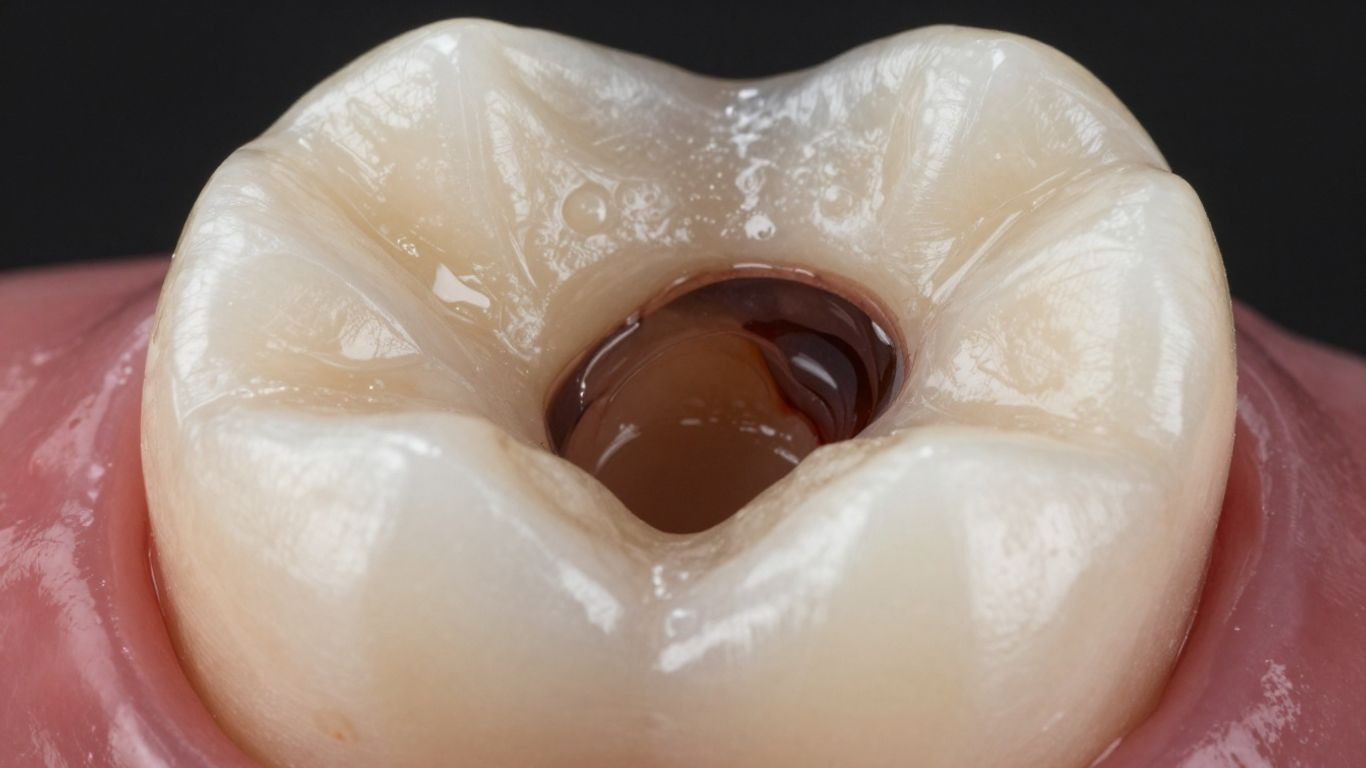
So, you think you might have a cavity. Maybe you saw a little dark spot, or perhaps your tooth feels a bit sensitive sometimes. It's easy to put off going to the dentist, right? Especially if it's not really hurting yet. But letting a cavity just sit there can actually lead to some pretty big problems down the road. It’s not just about a little toothache; it can get much more serious than that. Let's talk about what happens if you don't treat a cavity.
Key Takeaways
- What Happens If You Don't Treat a Cavity? If left alone, a cavity will get worse, eating deeper into your tooth.
- An untreated cavity can spread, affecting other teeth and even your jawbone.
- Ignoring a cavity can lead to serious pain, infection, and the formation of an abscess.
- If decay reaches the tooth's nerve, you might need a root canal or even have the tooth pulled.
- In rare cases, infections from untreated cavities can spread to your bloodstream, becoming a life-threatening issue.
What Happens If You Don't Treat a Cavity?
So, you've got a little dark spot on your tooth, or maybe it's a bit sensitive. You're thinking, 'It's not really bothering me, I'll deal with it later.' Big mistake. Seriously, ignoring a cavity is like ignoring a small leak in your roof – it's only going to get worse, and way more expensive to fix.
How fast does an untreated cavity get worse?
Honestly, there's no exact clock for this. It really depends on a few things: how big the cavity is to start, what you're eating and drinking, and how good your oral hygiene is. But here's the deal: cavities don't just chill out and disappear. They're caused by bacteria munching on sugars and producing acid, and that acid keeps eating away at your tooth. The longer you wait, the deeper that decay goes. What starts as a tiny spot on the enamel can quickly spread to the softer dentin layer underneath, and then eventually reach the nerve.
- Day 1: A tiny weak spot on the enamel. You might not even notice it.
- Week 1-4: The decay starts to burrow deeper. You might get a little sensitivity to sweets or cold.
- Month 1-6: The cavity is likely noticeable, maybe even a small hole. Sensitivity increases, and chewing might start to hurt.
- 6+ Months: The decay could be reaching the nerve, leading to serious pain, swelling, and potential infection.
Ignoring a cavity is a gamble with your dental health. The initial fix is usually simple, like a filling. But if you wait, you're looking at root canals, crowns, or even losing the tooth entirely. It's just not worth the risk.
It's always best to get it checked out ASAP. Your dentist can spot these things early and fix them before they become a major headache (literally).
Untreated Cavity Consequences You Should Know About
So, you've got a little spot on your tooth, maybe a tiny dark mark or a bit of sensitivity. You figure, "It's not hurting, I'll deal with it later." Big mistake. Letting a cavity just hang out is like ignoring a small leak in your roof – it's only going to get worse, and the eventual repair bill will be way higher. These untreated cavity consequences can sneak up on you.
Can an ignored cavity lead to infection or abscess?
Oh yeah, absolutely. Think of a cavity as a tiny doorway for bacteria. Once that enamel barrier is breached, the decay starts digging deeper. If it reaches the soft inner part of your tooth, called the pulp (where all the nerves and blood vessels are), things get nasty. This is where an infection, often called a dental abscess, can set in. It's basically a pocket of pus forming at the root of your tooth. And trust me, it's not just a little ouchie. We're talking serious throbbing pain, swelling in your jaw or face, and sometimes even a bad taste in your mouth. It's your body screaming that something is seriously wrong.
- Pain: This is usually the first and most obvious sign. It can range from a dull ache to sharp, shooting pains, especially when you bite down or when hot or cold things touch the tooth.
- Swelling: You might notice swelling in your gums around the affected tooth, or it could spread to your cheek or jaw.
- Fever: Your body might fight the infection, leading to a general feeling of being unwell and a fever.
- Pus: You might see a small pimple-like bump on your gums near the tooth, which can drain pus.
Ignoring an abscess is a really bad idea. The infection doesn't just stay put. It can spread through your jawbone, into your sinuses, or even into your bloodstream, which can lead to much bigger, scarier health problems elsewhere in your body. It's not just about your tooth anymore.
If you're experiencing any of these symptoms, don't wait. Get to a dentist ASAP. They'll likely need to drain the abscess and treat the infection, which might involve a root canal or, in some cases, pulling the tooth.
What Happens If a Cavity Goes Untreated for Too Long?
So, you've got a cavity, and maybe it's not even bothering you much yet. It's easy to think, "I'll get to it later." But here's the deal: cavities don't just chill out and wait. They're basically tiny holes that get bigger and deeper over time. What happens if a cavity goes untreated for too long? It can turn into a much bigger headache, literally.
How do you know a cavity has become a serious problem?
Ignoring a cavity is like ignoring a small leak in your roof. At first, it's just a drip, but eventually, it can cause major water damage. With a cavity, the damage starts small but can spread.
- Increased Tooth Sensitivity: That twinge you get when you sip something cold or eat something sweet? It gets worse. You might start feeling pain even when you're not eating or drinking, especially with hot or cold things.
- Visible Changes: You might notice a dark spot turning into a noticeable hole in your tooth. Your gums around the tooth could also get red and swollen.
- Pain When Chewing: If biting down on food starts to hurt, that's a big red flag. The decay might be getting close to the nerve.
- Bad Breath or Taste: Persistent bad breath or a weird taste in your mouth can be a sign that bacteria are having a party in that decaying tooth.
Can an ignored cavity lead to infection or abscess?
Absolutely. This is where things get really serious. When decay eats its way through the outer layers of your tooth and reaches the soft inner part called the pulp, it can cause a nasty infection. This infection can lead to a pocket of pus, known as an abscess, forming at the root of your tooth or in your jawbone.
- Severe, throbbing pain
- Swelling in your face and jaw
- Fever
- A bad taste in your mouth (from the pus draining)
If an abscess isn't treated, the infection can spread. Seriously, it can travel to other parts of your body, which is why it's so important to deal with cavities early on.
Leaving a cavity untreated means you're giving tooth decay a free pass to do more damage. It's not just about the tooth itself; it's about your overall health. The longer you wait, the more complex and expensive the treatment will likely become, and the higher the risk of serious complications like infections.
Can an Untreated Cavity Cause Tooth Loss?
So, you've got a cavity. Maybe it's not bothering you much right now, or perhaps the thought of the dentist's office makes you want to hide under the covers. Whatever the reason, ignoring a cavity is a really bad idea. If left to its own devices, a cavity can absolutely lead to tooth loss. It's not just about a little hole anymore; it's about the whole tooth's survival.
Here's the deal: that tiny spot of decay doesn't just sit there. It keeps eating away at your tooth. First, it's the enamel, the tough outer shell. Then it gets into the dentin, the softer layer underneath. If it keeps going, it reaches the pulp – that's the center of the tooth with all the nerves and blood vessels. Once the decay gets that deep, things get serious.
What Happens When Decay Reaches the Tooth's Core?
When the decay hits the pulp, it's like an open invitation for bacteria to party. This can cause a nasty infection, often leading to an abscess. An abscess is basically a pocket of pus that forms at the root of your tooth. It's incredibly painful and can spread.
How Does a Cavity Lead to Losing a Tooth?
Think of your tooth like a building. A cavity is like a crack in the foundation. If you don't fix that crack, the whole structure gets weaker. The decay destroys the tooth's structure, making it brittle and prone to breaking. If the tooth breaks apart too much, or if the infection from an abscess gets too bad, the tooth might become impossible to save. In these situations, the only option left is often to pull the tooth out. It's a pretty drastic outcome for something that might have started as a small, painless spot.
Stages of Cavity Damage Leading to Tooth Loss
- Enamel Decay: Early stage, often no pain. Can usually be fixed with a filling.
- Dentin Decay: Decay reaches the softer layer. Sensitivity might start. Still often treatable with a filling.
- Pulp Involvement: Decay reaches the nerve. Pain, infection, and abscess are likely. A root canal might be needed, or extraction if too damaged.
- Severe Structural Damage/Infection: The tooth is crumbling, or the infection is widespread. Extraction is often the only solution.
Ignoring a cavity is like ignoring a small leak in your roof. It might seem minor at first, but if you let it go, it can cause major structural damage that's way more expensive and difficult to fix later on. Sometimes, the damage is so bad, the only thing you can do is replace the whole thing.
So, yeah, an untreated cavity can definitely lead to tooth loss. It's a progressive problem, and the longer you wait, the worse the consequences get. Getting it checked out early is always the best move.
How Long Can a Cavity Go Untreated Before Major Damage?
So, you've got a little spot on your tooth, and you're wondering, "how long can a cavity go untreated before it becomes a real problem?" Honestly, there's no magic number, and it's not like a ticking clock where you know exactly when disaster strikes. It really depends on a bunch of things, like how big the cavity is to start with, where it's hiding on your tooth, and even your own body's defenses.
Think of it like a tiny crack in your windshield. Some cracks just sit there, while others spread like wildfire with the first bump. A cavity is similar. It starts small, usually on the hard outer layer of your tooth called enamel. If you catch it early, a simple filling can usually sort it out. But if you ignore it, that decay just keeps eating away.
- Weeks to Months: In the early stages, a cavity might just be a small pit. You might not feel anything, or maybe just a little sensitivity to sweets or cold. If left here, the decay starts to move deeper.
- Several Months to a Year: The cavity can grow deeper, reaching the dentin, which is the layer beneath the enamel. This is when sensitivity often increases, and you might start feeling actual pain, especially when you eat or drink something hot or cold. The tooth structure also starts to weaken.
- A Year or More: If you're still not getting it checked, the decay can reach the pulp – the very center of your tooth where the nerves and blood vessels are. This is where things get really serious. You're looking at intense pain, potential infection, and the possibility of an abscess forming.
The longer you wait, the more damage occurs, and the more complex and expensive the treatment becomes. What could have been a quick filling might turn into a root canal or even tooth extraction.
It's really a gamble to wait and see. Cavities don't heal themselves. They just get worse, and the consequences can go way beyond just your tooth. Ignoring a cavity is like ignoring a small leak in your roof – it might seem minor now, but it can lead to major structural damage down the line.
So, What's the Takeaway?
Look, nobody enjoys going to the dentist, and sometimes those little cavities seem like no big deal, especially if they aren't even hurting yet. But as we've seen, ignoring them is kind of like playing with fire. That tiny little hole can turn into a much bigger, more painful problem, leading to infections, broken teeth, or even losing them altogether. Plus, it can get pretty gnarly and affect your jawbone or even spread to other parts of your body. So, the best bet is to just get it checked out and fixed. It’s way less hassle and pain in the long run than dealing with the mess that an untreated cavity can create. Seriously, just make that appointment.
Frequently Asked Questions
How quickly does a cavity get worse if I don't treat it?
Cavities don't just disappear on their own. If you ignore a cavity, the decay will continue to eat away at your tooth. It can spread deeper into the tooth, affecting more sensitive parts and causing more pain. It's like a small crack in your car's windshield – if you don't fix it, it can spread and become a much bigger problem.
Can an untreated cavity lead to an infection or abscess?
Yes, absolutely. When a cavity gets deep enough, it can reach the inner part of your tooth, called the pulp, where the nerves and blood vessels are. This can cause a serious infection. This infection can form a pocket of pus, known as an abscess, which is very painful and can cause swelling.
How do I know if my cavity has become a serious problem?
You'll likely notice some clear signs. This includes increased tooth sensitivity, especially to hot or cold things. You might feel a sharp pain when you chew, or even when you're not eating. Sometimes, you can see a hole or dark spot on your tooth. Swelling in your gums or cheek is also a big warning sign that things have gotten serious.
Can a cavity that's left untreated cause me to lose a tooth?
Unfortunately, yes. If a cavity is ignored for too long, the decay can damage the tooth so badly that it can't be saved. The tooth might become weak, break, or get so infected that the only option left is to pull it out. This is why getting cavities fixed early is so important.
When is a cavity too far gone to be fixed?
A cavity is usually considered too far gone when the decay has spread to the tooth's root or caused severe damage to the tooth's structure. If the infection has led to a large abscess or the tooth is crumbling, it might be impossible to repair with a simple filling or even a crown. In these cases, extraction might be the only solution.
How long can I wait before a cavity causes major damage?
It's really hard to say exactly how long this takes because it depends on many things, like how strong your teeth are, your diet, and how well you take care of your mouth. However, even a small cavity can cause significant damage within a few months if left untreated. It's best not to wait and see, but to get it checked out by a dentist as soon as you suspect a problem.
Blog Post Author

Contributed by DentalROI
DentalROI provides relevant dental content to help providers educate patients. The statements, services, and products referenced in this article have not been evaluated by the Food and Drug Administration, and they are not intended as a substitute for professional medical advice, diagnosis, or treatment. Always seek the advice of your dental provider with any questions or issues you may have. Specific recommendations may vary in different circumstances, so individual consultation is important.