
Best Foods to Eat After Dental Implant Surgery
Getting dental implants is a big step towards a healthier, more complete smile. After the surgery, what you eat plays a big role in how well you heal. It's not just about avoiding pain; it's about giving your body the right stuff to recover and for those implants to settle in nicely. This guide will walk you through the best foods to enjoy and some things to steer clear of, making your recovery as smooth as possible.
Key Takeaways
- Immediately after surgery, stick to cool liquids and pureed foods to avoid irritating the surgical site.
- In the first week, focus on very soft foods that require minimal chewing, like mashed potatoes, scrambled eggs, and yogurt.
- Nutrient-dense foods, especially those rich in protein, are important for tissue repair and overall healing.
- Avoid hard, crunchy, chewy, sticky, spicy, and very hot foods and drinks to protect your new implants.
- Gradually reintroduce more solid foods as advised by your dentist, always prioritizing the healing of the implant site.
Understanding Healing After Dental Implant Surgery
Recovering from dental implant surgery is a process that involves more than just letting the surgical site heal on its own. What you eat plays a significant role in how well your body repairs itself and how successful your new implants become. The goal is to support the integration of the implant with your jawbone, a process called osseointegration. During the initial healing phases, your mouth will be sensitive, and the implant area needs protection from anything that could cause irritation or disrupt the healing tissues. This is why paying attention to your diet is so important, especially when it comes to eating after dental implants.
Think of your diet as a tool to help your body rebuild. Certain foods can provide the building blocks your body needs, while others can set back your recovery. It’s not just about avoiding pain; it’s about actively promoting a healthy environment for your implants to fuse properly.
The first few weeks after surgery are the most critical for healing. During this time, the implant is integrating with the bone, and the surrounding tissues are repairing. A carefully chosen diet helps minimize stress on the surgical site, reduces the risk of complications, and provides the nutrients necessary for tissue regeneration and bone growth.
Here’s a general timeline to give you an idea of what to expect:
- First 24–48 Hours: Focus on liquids and very smooth foods. The goal is to avoid any chewing or pressure on the implant site.
- First Week: Transition to very soft foods that require minimal to no chewing. Your gums will still be tender.
- Weeks 2–4: You can gradually introduce soft-solid foods, but still need to be cautious about biting directly on the surgical areas.
- Week 5 Onward: With your dentist's approval, you can slowly return to a more normal diet.
Following these guidelines helps ensure a smooth recovery and sets the stage for the long-term success of your dental implants. It's always best to follow the specific post-operative instructions provided by your dental professional to ensure a smooth recovery process after dental surgery.
Best Foods to Eat Immediately After Dental Implant Surgery (First 24–48 Hours)
Right after your dental implant surgery, your mouth will be sensitive, and you'll want to stick to foods that are easy to manage. The main goal for the first 24 to 48 hours is to avoid putting any unnecessary pressure on the surgical site. This means focusing on liquids and foods that require virtually no chewing. Think about what you can eat after a tooth implant that won't disrupt the healing process.
The key is to keep things smooth and cool.
Here are some good options for what to eat after implant dental surgery during this initial period:
- Broths and Soups: Opt for lukewarm or cold broths (vegetable or bone broth are great) and smooth, pureed soups. These are packed with nutrients and are very easy to consume without any chewing.
- Smoothies: Blend soft fruits like bananas or berries with yogurt or milk. Just be sure to avoid using a straw, as the suction can dislodge the blood clot forming at the implant site.
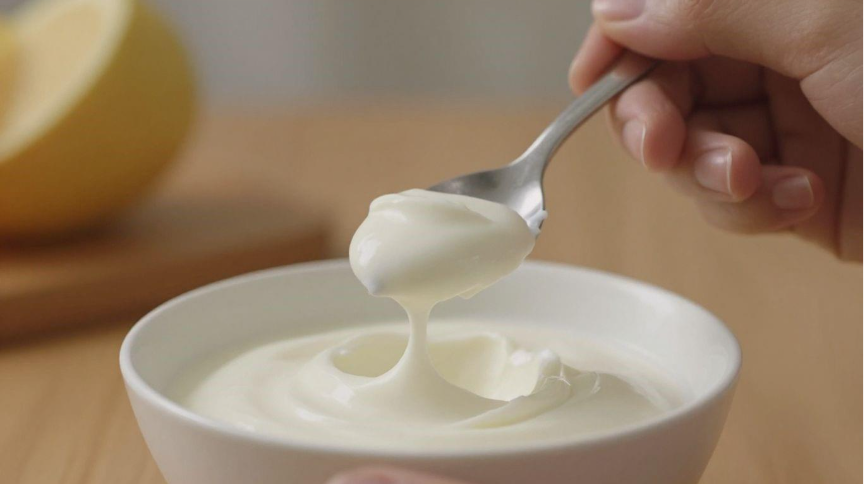
- Dairy Products: Plain yogurt, milk, and smooth puddings or custards are excellent choices. They are soft, filling, and provide calcium.
- Applesauce and Pureed Fruits: These are gentle on your mouth and offer some fiber and vitamins.
- Ice Cream or Gelato: Cold treats can help soothe the surgical area. Stick to smooth varieties without any hard or chewy bits.
It's also important to know what not to eat after dental implant surgery. Avoid anything crunchy, hard, chewy, sticky, spicy, or very hot. These can irritate the surgical site, cause pain, or even damage the implant. Remember, this is a temporary phase, and gradually reintroducing other foods will be possible as you heal.
Soft Foods to Eat During the First Week of Recovery
After the initial 24 to 48 hours, you can start to introduce a wider variety of soft foods into your diet. The main goal during this first week is to keep providing your body with nutrients while making sure nothing irritates the surgical site or requires significant chewing. Think smooth, creamy, and easily mashed.
This phase is all about gentle nourishment.
Here are some excellent choices:
- Dairy Delights: Greek yogurt, cottage cheese, and ricotta are fantastic. They're packed with protein, which is super important for healing, and they're naturally soft. You can add a little puréed fruit or a tiny bit of honey for flavor, but keep it simple.
- Eggs, Prepared Gently: Scrambled eggs are a go-to. They're soft, easy to eat, and a great source of protein. You can also try a soft-cooked egg or a very smooth omelet.
- Mashed and Puréed Veggies: Think mashed potatoes, sweet potatoes, or puréed cauliflower and carrots. Steaming vegetables until they are very tender before mashing or blending them makes them easy to eat and digest.
- Smooth Operators: Smoothies are still a great option, but remember to eat them with a spoon, not a straw. Blend fruits like bananas and berries with yogurt or milk. You can also add things like cooked oatmeal or a bit of spinach for extra nutrients.
- Soups and Broths (Lukewarm): Continue with broths, but also consider creamy soups like tomato or butternut squash, as long as they are not too hot. Make sure any blended soups are smooth and don't have any hard bits.
- Soft Grains: Oatmeal or cream of wheat, cooked until very soft and smooth, can be a comforting and filling meal. Avoid adding hard toppings.
- Fish and Poultry: Flaky fish like cod or tilapia, gently poached or steamed until it falls apart easily, is a good protein source. Finely ground chicken or turkey, cooked until very tender, can also be incorporated.
Remember to cut all food into very small, bite-sized pieces. This helps prevent pressure on the surgical areas and makes swallowing easier. Also, steer clear of anything spicy, acidic, or with sharp edges, as these can cause discomfort or irritation.
Nutrients That Support Healing After Implant Surgery
After dental implant surgery, what you eat plays a big role in how well you heal. Certain nutrients can really help your body repair itself and make the implant fuse properly with your jawbone. It's not just about avoiding hard foods; it's also about giving your body the building blocks it needs.
Protein is super important because it helps rebuild tissues. Think of it as the main construction material for your body. Foods like Greek yogurt, scrambled eggs, and puréed chicken or fish are great sources. They're soft, easy to eat, and packed with the protein your body needs to recover.
Vitamins and minerals are also key players. Vitamin C, for example, is known for its role in collagen production, which is vital for healing. You can find it in soft fruits like bananas or in smoothies. Vitamin D and calcium are also beneficial, helping with bone health and integration. Dairy products, if you tolerate them, are a good source of both.
Here are some nutrients that really help the healing process:
- Protein: Aids in tissue repair and regeneration.
- Vitamin C: Supports collagen synthesis, crucial for wound healing.
- Vitamin D: Helps with calcium absorption and bone health.
- Calcium: Important for jawbone strength and implant stability.
- Omega-3 Fatty Acids: Found in fish like salmon, these can help reduce inflammation.
Focusing on these nutrients can make a real difference in your recovery. It's about nourishing your body from the inside out to support the healing of your new dental implants.
Don't forget about hydration, either. Drinking plenty of water helps keep everything functioning smoothly. While you'll want to avoid hot beverages right away, cool or lukewarm drinks are fine. Smoothies are a fantastic way to get nutrients and stay hydrated, just remember to use a spoon instead of a straw to avoid any suction that could disrupt the healing site. You can find more information on foods that support healing on pages about recovery.
Long-Term Benefits of Following the Right Post-Surgery Diet
Sticking to a carefully planned diet after dental implant surgery isn't just about getting through the initial healing phase. It plays a significant role in the long-term success of your implants and your overall oral health. By providing your body with the right nutrients, you're actively supporting the osseointegration process, which is when the implant fuses with your jawbone. This fusion is key to having stable, long-lasting implants.
Think of it like building a strong foundation for a house. If the foundation isn't solid, the whole structure can be compromised. Similarly, if the bone doesn't integrate properly with the implant, it might not be as stable as it needs to be. A diet rich in protein, calcium, and vitamins C and D can help make that bone fusion stronger and more reliable.
Beyond just the implant itself, a good diet helps keep your gums healthy and reduces the risk of inflammation or infection around the surgical site. This means less discomfort for you and a smoother recovery overall. Plus, maintaining good nutrition helps your body fight off any potential issues that could arise.
Here are some ways a proper post-surgery diet benefits you long-term:
- Stronger Implant Integration: Nutrients like protein and calcium are building blocks for bone, aiding the critical fusion process between the implant and your jawbone.
- Reduced Risk of Complications: A diet that avoids irritating foods helps prevent inflammation and infection, protecting the healing surgical site.
- Improved Gum Health: Adequate vitamins and minerals support healthy gum tissue, which is vital for surrounding and supporting the implant.
- Faster Overall Healing: Your body needs good nutrition to repair itself. Eating well helps speed up the healing of soft tissues and bone.
Following your dentist's dietary recommendations isn't just a temporary measure; it's an investment in the longevity and success of your dental implants. It helps ensure your new teeth feel secure and function well for years to come.
As you move past the initial recovery, gradually reintroducing a balanced diet will continue to support your oral health. This means incorporating plenty of fruits, vegetables, lean proteins, and whole grains. Making smart food choices now sets the stage for a healthy mouth and successful implants for the future.
Wrapping Up Your Recovery Diet
So, that's the rundown on what to eat after your dental implant surgery. It might seem like a lot at first, but really, it's all about giving your mouth the best chance to heal properly. Sticking to soft, nutrient-rich foods in the beginning helps avoid any setbacks and keeps you feeling good. Remember, this phase doesn't last forever, and soon enough, you'll be back to enjoying all your favorite meals. If you're ever unsure about what's best for you, don't hesitate to ask your dentist or dental team. They're there to help guide you through a smooth recovery.
Frequently Asked Questions
Why is it important to eat soft foods after dental implant surgery?
After dental implant surgery, the mouth and gums can be sensitive, swollen, and a bit sore. Eating soft foods helps you get the nutrition you need without putting extra pressure or causing irritation to the surgical areas. It's like giving your mouth a gentle recovery period.
What kind of foods are best in the first 24 to 48 hours after surgery?
In the first day or two, it's best to stick to liquids and very smooth foods. Think cool broths, smoothies made with soft fruits and yogurt (but no straws!), and things like applesauce or plain ice cream. These are easy to swallow and won't bother the healing site.
What are good food choices for the first week of recovery?
As you move into the first week, you can add slightly more textured foods that still require very little chewing. Good options include mashed potatoes, scrambled eggs, oatmeal, pudding, and soft cottage cheese. These provide energy and nutrients without being too hard on your mouth.
How can I make sure I'm getting enough protein while eating soft foods?
Protein is super important for healing! You can add protein powder to smoothies, choose Greek yogurt, or eat soft eggs and fish. Some people also find protein supplements helpful. It's all about finding ways to get that building block for your body.
When can I start eating more normal foods again?
Generally, after the first week or two, you can slowly start adding back foods that are a bit firmer, but still soft and easy to bite. This might include things like soft pasta, well-cooked vegetables, or tender pieces of chicken or fish. Always check with your dentist before making big changes to your diet.
Are there any foods I should definitely avoid after surgery?
Yes, it's important to stay away from anything crunchy, hard, chewy, sticky, very spicy, or extremely hot for the first few weeks. Foods like chips, popcorn, nuts, tough meats, caramel, and spicy salsa can damage the implant site or cause discomfort. It's better to be safe and let everything heal properly.
Blog Post Author

Richard Marks | Contributor
Market Igniter