
Cavity Fillings: Do They Hurt?
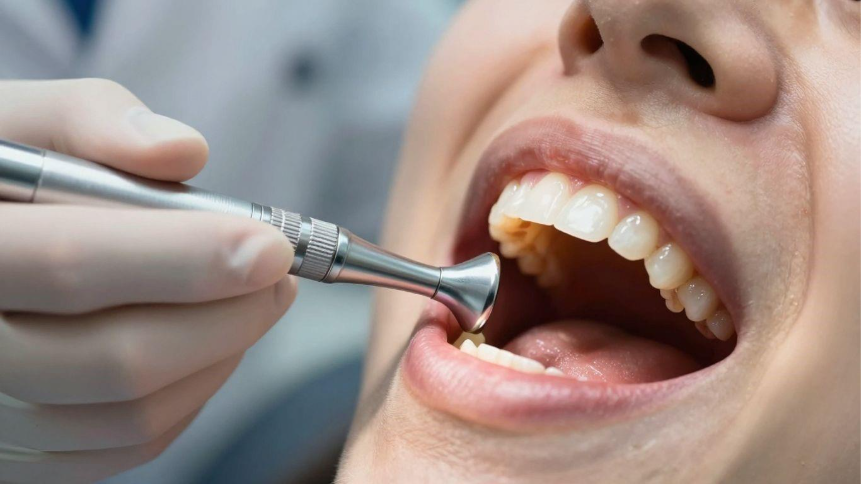
When your dentist tells you that you need a cavity filling, it's normal to wonder about the experience. Will it hurt? This is a common question, especially if you've had a bad toothache before. The good news is that modern dentistry has made great strides in making sure dental fillings are as comfortable as possible. Let's take a look at what a cavity filling involves and what you can expect regarding pain.
Key Takeaways
- Most people do not experience significant pain during a cavity filling because dentists use local anesthesia to numb the area.
- You might feel a small sting from the numbing injection, but this is brief and helps prevent pain during the procedure.
- After the anesthesia wears off, some mild discomfort or sensitivity is possible, but it usually goes away within a week or two.
- The depth of the cavity and individual nerve sensitivity can influence how much, if any, discomfort is felt after the filling.
- Preventing cavities through good oral hygiene and regular dental visits is the best way to avoid needing fillings altogether.
What Is a Cavity Filling and Why It’s Needed
So, you’ve been told you need a cavity filling. What exactly is that, and why is it necessary? Think of a cavity as a tiny hole that forms in your tooth when decay sets in. This decay is caused by bacteria in your mouth that feed on sugars and produce acids. Over time, these acids eat away at your tooth's hard outer layer, the enamel, creating a weak spot or a hole – that’s the cavity.
A dental filling is essentially a way to repair that damage and stop the decay from getting worse. Dentists use a special material to fill the hole left by the decay, restoring the tooth's shape and strength. It’s a pretty common procedure, and most people will need at least one filling at some point in their lives.
Why bother getting a filling? Well, if you leave a cavity untreated, it doesn't just stay the same size. The decay can spread deeper into the tooth, potentially reaching the sensitive inner parts. This can lead to more significant problems down the road, like intense toothaches, infections, and even tooth loss. Getting a filling is a proactive step to keep your teeth healthy and functional.
Here’s a quick rundown of why fillings are needed:
- Tooth Decay: This is the most common reason. Bacteria create acids that damage tooth enamel.
- Cracked or Chipped Teeth: Small breaks or chips in a tooth can create openings for bacteria and need to be sealed.
- Worn-Down Teeth: Sometimes, teeth can wear down from grinding (bruxism) or other issues, and a filling can help rebuild them.
- Damaged Old Fillings: If a previous filling has worn out or broken, it might need to be replaced.
The goal of a filling is to remove the decayed part of the tooth and then seal the cleaned-out area. This prevents further damage and helps maintain the tooth's integrity.
The Big Question: Do Cavity Fillings Hurt?
It's completely normal to wonder, "Do cavity fillings hurt?" Many people worry about the discomfort associated with dental procedures, and the thought of getting a cavity filled can bring up a lot of questions. The good news is that modern dentistry has made significant strides in making the process as comfortable as possible.
So, do cavity filling procedures cause pain? Generally, no. Dentists use local anesthesia to numb the area around the tooth being treated. This means that while you might feel a slight pinch or sting when the anesthetic is first administered, you shouldn't feel any pain during the actual drilling and filling process. The goal is to block any nerve signals that could cause discomfort.
However, it's also important to consider what patients typically feel. You might experience some pressure or vibrations as the dentist works on the tooth, but this is usually not painful. The primary concern for many is whether do getting cavities filled hurt, and the answer, thanks to anesthesia, is usually no.
What about after the procedure? Do cavity fillings hurt afterwards? It's common to experience some mild sensitivity or soreness for a short period after the anesthesia wears off. This is because the tooth and surrounding tissues have been worked on. This discomfort is usually temporary and subsides within a few days. If you're wondering how long do cavity fillings hurt, most people find that any lingering sensitivity fades within a week or two.
Here's a quick look at what to expect regarding post-filling sensations:
- Immediate aftermath: You might feel a bit numb for a few hours. Tenderness is also common.
- First few days: Sensitivity to hot, cold, or pressure might be noticeable. This should gradually decrease.
- After a week: Most people are completely comfortable with no lingering pain.
While the procedure itself is designed to be pain-free, some temporary sensitivity after the filling is placed is normal. This is a sign that your tooth is healing and adjusting to the new filling.
Pain Management and Comfort Techniques Used During Fillings
It's completely understandable to wonder about pain when it comes to dental work, especially fillings. Thankfully, modern dentistry has really focused on making this procedure as comfortable as possible. Dentists have a whole toolkit of methods to keep you relaxed and pain-free.
First off, the most common way to manage discomfort is through local anesthesia. Your dentist will apply a numbing gel to the area first, which helps a lot, and then give you an injection. This injection numbs the tooth and the surrounding gum tissue, so you shouldn't feel any pain during the actual work. It might feel like a little pinch when the injection is given, but after that, you'll be numb and ready to go.
Beyond just numbing, dentists are also using advanced tools. Things like high-precision drills or even lasers can make the process quicker and less invasive. This means less time in the chair and less disruption to the tooth.
Here are some common comfort measures you might experience:
- Topical anesthetic gel: Applied before the injection to reduce any sting.
- Local anesthetic injection: The main player in blocking pain signals.
- Sedation options: For those who are particularly anxious, dentists might discuss options like nitrous oxide (laughing gas) or even oral sedatives to help you relax.
- Communication: Your dentist will likely check in with you frequently, asking if you're okay and explaining what they're doing. Don't hesitate to raise your hand if you need a break or feel any discomfort.
Dentists prioritize your comfort throughout the entire process. They understand that dental anxiety is real, and they have techniques to address it, from the initial numbing to the final polishing of the filling. The goal is to make the experience as smooth and stress-free as possible.
Remember, the aim of these techniques is to ensure that the procedure itself is virtually painless. While you might feel some pressure or vibrations, the actual pain should be blocked by the anesthesia. If you have any specific concerns about pain or anxiety, it's always best to discuss them with your dentist before your appointment so they can plan accordingly. You can find more information about what to expect after a filling here.
What Patients Typically Feel During the Procedure
When you're in the dental chair for a filling, the goal is for you to feel as little as possible. Dentists use a few methods to make sure of this. First, they'll likely numb the area around the tooth that needs work. This usually involves a topical gel that numbs your gums, followed by a small injection of local anesthetic. You might feel a tiny pinch from the injection, but after that, the tooth and the surrounding gum tissue should feel completely numb.
Once the area is numb, the dentist will start removing the decay. You might feel some vibrations or a bit of pressure from the tools, but you shouldn't feel any sharp pain. It's kind of like when you're getting a splinter removed – you feel the pressure, but not the actual pain because it's numbed.
After the decay is gone, the dentist cleans out the space and prepares it for the filling material. Then, they'll place the filling. Depending on the type of filling, they might use a special light to harden it. The whole process is designed to be as comfortable as possible, with most people reporting minimal sensation beyond pressure or vibration.
Here's a quick rundown of what you might experience:
- Numbing: A brief pinch from the anesthetic injection, followed by numbness.
- Decay Removal: Feeling vibrations or pressure, but no pain.
- Filling Placement: Sensations of touch and pressure as the material is added and shaped.
It's important to remember that everyone's experience can be a little different. If you feel any discomfort during the procedure, don't hesitate to let your dentist know. They can usually adjust or add more anesthetic if needed.
After the Filling: Recovery and Sensation Expectations
Once your cavity filling is complete, it's normal to wonder what comes next. Most people find that the procedure itself is quite manageable, and the recovery is usually straightforward. You might feel a little different in your mouth for a short while, but this typically fades quickly.
The most common sensation after a filling is mild sensitivity. This can be to temperature changes (hot or cold) or even sweet things. It's your tooth's way of adjusting to the new filling and the work that was done. Think of it like a small bruise – it's there for a bit, but it gets better.
Here's a general idea of what to expect:
- Numbness: If you received local anesthetic, the numbing effect can linger for a few hours. It's best to avoid chewing on that side of your mouth until the feeling returns to prevent accidentally biting your cheek or tongue.
- Sensitivity: For the first few days, or sometimes up to a couple of weeks, you might notice your tooth reacting to hot, cold, or sweet stimuli. This is usually temporary.
- Mild Discomfort: Some patients report a slight soreness around the filled tooth, especially if the cavity was deep. This is also typically short-lived.
It's important to remember that these sensations are usually temporary. Your dentist aims to make the filling as comfortable as possible, both during and after the procedure. If you experience any significant pain or if sensitivity doesn't improve after a couple of weeks, it's a good idea to reach out to your dental provider.
For managing any lingering sensitivity, using a toothpaste designed for sensitive teeth can be helpful. Also, try to avoid extremely hot or cold foods and drinks for the first few days. Most of the time, these feelings will gradually decrease, and you'll be back to normal eating and drinking without any issues. If you have concerns about your tooth sensitivity, don't hesitate to discuss them with your dentist.
So, Do Fillings Hurt? The Takeaway
When it comes to getting a cavity filled, the biggest worry for most people is the pain. Thankfully, modern dentistry has really made things easier. Dentists use numbing gels and local anesthetics to make sure you don't feel much, if anything, during the procedure itself. You might feel a little pinch when the anesthetic is given, but that's usually it. After the numbness wears off, some mild discomfort or sensitivity is pretty normal for a short while, maybe a few days to a couple of weeks. This usually calms down on its own. The main thing to remember is that getting a filling done early is way better than letting a cavity get worse. Ignoring it can lead to more serious problems and, yes, more pain down the road. So, while there might be a little bit of discomfort afterward, the procedure itself is designed to be as comfortable as possible, and it's a really important step in keeping your teeth healthy.
Frequently Asked Questions
Will getting a cavity filling hurt?
Most of the time, getting a cavity filling doesn't hurt. Dentists use a special numbing gel and then a local anesthetic, like Lidocaine, to make sure the area around the tooth is completely numb. You might feel a tiny pinch when the anesthetic is given, but this is just the medicine starting to work. The goal is to stop any pain signals so you don't feel discomfort during the procedure.
What does a dentist do during a filling procedure?
First, the dentist will make sure the tooth and the surrounding gum are numb. Then, they carefully remove the decayed part of the tooth using a small drill or sometimes a laser. After cleaning out the decay, the dentist fills the space with a special material, often one that matches the color of your tooth, to restore its shape and strength.
What might a person feel during the filling process?
While the area is numb, you shouldn't feel pain. However, you might feel some pressure or vibrations as the dentist works on the tooth. These sensations are normal and are not the same as feeling pain. The dentist will also check in with you to make sure you're comfortable.
Is it normal to have some soreness after a filling?
Yes, it's quite common to feel a little bit of soreness or sensitivity for a few days after getting a filling. This can happen because the nerves in the tooth are still getting used to the filling. Sometimes, sensitivity to hot or cold foods might occur. This usually goes away on its own within a week or two.
How long does the discomfort after a filling usually last?
For most people, any discomfort or sensitivity after a filling is mild and temporary. It typically lasts for a few days to a couple of weeks. If the sensitivity is severe or doesn't improve after a couple of weeks, it's a good idea to contact your dentist.
What can be done to make the filling process more comfortable?
Modern dentistry focuses a lot on patient comfort. Dentists use effective numbing techniques and advanced tools to make the procedure as smooth as possible. They will explain each step and ensure you are comfortable throughout. If you have significant dental anxiety, discussing sedation options with your dentist beforehand might also be helpful.
Blog Post Author

Richard Marks | Contributor
Market Igniter