
Do dental implants hurt? Everything you need to know
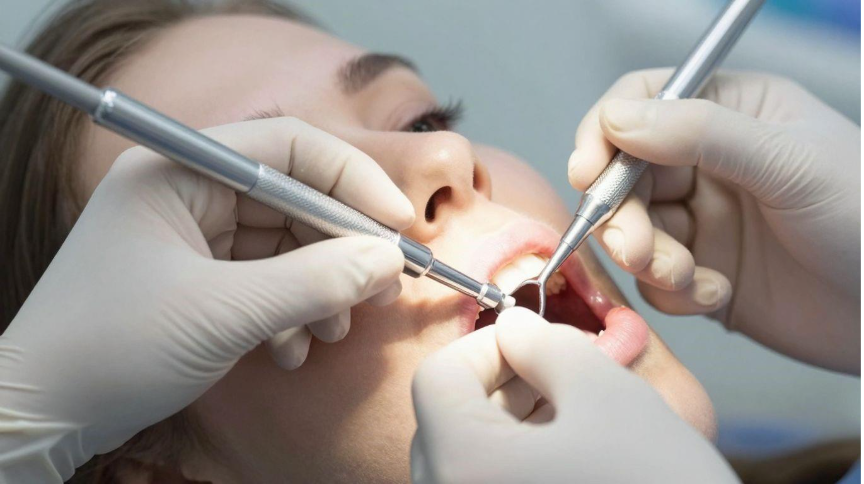
Thinking about dental implants but worried about the pain? It's a common question many people have: do dental implants hurt? It's understandable to be concerned about any procedure that involves surgery. This article aims to clear up any confusion about pain during and after getting dental implants, so you know exactly what to expect. We'll cover how the procedure is managed to keep you comfortable and what you might feel as you heal.
Key Takeaways
- Most people find that dental implants do not hurt during the procedure itself, thanks to local anesthesia or sedation options.
- Some discomfort or soreness after dental implant surgery is normal, typically mild to moderate, and usually lasts for a few days to a couple of weeks.
- The level of pain experienced can depend on individual pain tolerance, the complexity of the surgery, and whether additional procedures like bone grafting are needed.
- Pain after dental implants is generally manageable with over-the-counter pain relievers, cold compresses, and by following your dentist's post-operative care instructions.
- While temporary discomfort is expected, persistent or severe pain with dental implants should be reported to your dentist, as it could indicate a complication.
Addressing a Common Concern About Dental Implants
When people think about getting dental implants, one of the first things that pops into their mind is, 'Will it hurt?' It's a totally normal question to have, especially since it involves surgery. The good news is that the discomfort is usually quite manageable.
Most of the time, the actual procedure for placing a dental implant is done using local anesthesia. This means the area around where the implant will go is completely numbed, so you shouldn't feel any pain during the surgery itself. If you're feeling a bit anxious about it, there are also options for sedation that can help you relax and stay comfortable throughout the process. It's all about making sure you have a good experience.
Here's a quick look at what influences how you might feel:
- Your individual pain tolerance: Everyone's body reacts a bit differently. Some people might feel more sensitive than others.
- The extent of the surgery: More complex procedures might mean a bit more recovery time and discomfort.
- Your overall oral health: Having healthy gums and bone can make a difference in how you feel afterward.
It's important to remember that dental implants are designed to be a long-term fix for missing teeth, and the steps taken are to make sure you're as comfortable as possible. Discussing any worries you have with your dentist is a great first step to understanding what to expect and getting the right care for you. You can find more information about dental implant procedures and how they're made comfortable.
What Dental Implants Are and Why They’re Considered a Long-Term Solution
Dental implants are essentially artificial tooth roots, typically made of titanium, that are surgically placed into the jawbone. Think of them as a sturdy foundation for a replacement tooth, whether that's a crown, bridge, or denture. Unlike traditional dentures or bridges that can sometimes shift or cause irritation, implants become a part of your own bone structure. This fusion process, called osseointegration, is what makes them so stable and long-lasting.
So, why are they considered a long-term fix? Well, when an implant fuses with your jawbone, it provides a solid base that mimics the feel and function of natural teeth. This means you can eat, speak, and smile with confidence. Plus, because they integrate with your bone, they help prevent the bone loss that often occurs when teeth are missing. This preservation of bone is a major advantage over other tooth replacement options.
Here's a quick look at how they work:
- Titanium Post: A screw-like post is placed into the jawbone, acting as the root.
- Abutment: A connector piece is attached to the post.
- Crown/Bridge/Denture: The visible artificial tooth is secured to the abutment.
The key benefit is that implants don't rely on neighboring teeth for support, nor do they slip or cause the bone damage that can sometimes happen with other methods. They also don't decay like natural teeth, and with proper care, they can last for many, many years, often a lifetime. This makes them a really good investment for restoring your smile and oral health.
Does the Dental Implant Procedure Hurt?
It's completely normal to wonder, "Do dental implants hurt?" This is a common question, and the good news is that the procedure itself is designed to be as comfortable as possible. Most patients find that the actual placement of the dental implant is surprisingly pain-free. This is primarily thanks to local anesthesia, which effectively numbs the area, similar to what you'd experience during a routine dental filling. For those who feel particularly anxious or are undergoing more extensive work, sedation options are also available to ensure you remain relaxed and comfortable throughout the entire process.
While you shouldn't feel pain during the procedure, it's important to acknowledge that some discomfort is expected after the anesthesia wears off. This post-operative soreness is usually mild to moderate. Think of it like any other minor surgery; there's a healing period. The intensity and duration of this discomfort can vary from person to person. Factors like the number of implants placed and whether additional procedures like bone grafting are needed can influence how you feel. However, many people report that the discomfort is less than they anticipated, and often less than they experienced with a tooth extraction.
Here’s a general idea of what to expect regarding pain:
- During the procedure: Minimal to no pain due to anesthesia.
- Immediately after: Some numbness from the anesthetic, followed by mild to moderate soreness as it wears off.
- First few days: Discomfort is typically at its peak, often manageable with prescribed or over-the-counter pain relief.
It's rare for dental implants to hurt forever. The discomfort associated with the procedure is temporary and manageable. If you experience severe or persistent pain, it's always best to reach out to your dental professional.
Pain and Discomfort After Dental Implant Surgery
While the dental implant procedure itself is designed to be as comfortable as possible, some level of discomfort is expected once the anesthesia wears off. Most patients report this post-operative pain as mild to moderate, often peaking within the first 48 to 72 hours after surgery. It's usually described as a dull ache or soreness around the implant site, and it gradually subsides over the following days.
Several factors can influence how much discomfort you might experience. The complexity of the surgery, whether additional procedures like bone grafting were necessary, and your individual pain tolerance all play a role. It's also worth noting that some people find the recovery from dental implants to be less uncomfortable than they anticipated, even comparing it favorably to a tooth extraction.
Beyond pain, you might notice some temporary swelling, tenderness, or minor bruising in the area. These are normal responses as your body begins the healing process.
To help manage any discomfort, your dental professional will likely recommend a combination of approaches:
- Pain Medication: Over-the-counter options like ibuprofen or acetaminophen are often sufficient. In some cases, a prescription for stronger pain relief might be provided.
- Cold Compresses: Applying an ice pack or cold compress to the outside of your cheek for 15-20 minutes at a time can help reduce swelling and numb the area.
- Rest: Taking it easy and avoiding strenuous activities for the first day or two can significantly aid in managing pain and promoting healing.
- Soft Diet: Sticking to soft, cool foods like yogurt, smoothies, or mashed potatoes will prevent irritation to the surgical site.
It's important to remember that while some discomfort is normal, severe or persistent pain that doesn't improve with medication is not typical. If you experience intense pain, significant swelling that worsens, or any other concerning symptoms, don't hesitate to contact your dental provider immediately. They can assess the situation and ensure your recovery is on the right track.
Managing Pain During the Healing Process
After your dental implant procedure, some discomfort is normal as your body begins to heal. This is typically at its peak in the first few days following surgery and then gradually starts to lessen. The key is to manage this discomfort effectively to support a smooth recovery.
Several strategies can help you feel more comfortable during this healing period. Over-the-counter pain relievers, like ibuprofen or acetaminophen, are often sufficient for managing mild to moderate pain. Your dentist might also suggest specific timings or combinations for these medications.
Applying a cold compress to the outside of your cheek or jaw can also make a difference. Try applying it for about 10-15 minutes at a time, with breaks in between. This can help reduce swelling and numb the area a bit.
- Rest is important: Avoid strenuous activities for the first few days. This helps your body focus on healing and can prevent increased pain or bleeding.
- Soft foods are your friend: Stick to a diet of soft, cool foods like yogurt, smoothies, or mashed potatoes. Avoid anything hard, crunchy, or chewy that could irritate the surgical site.
- Gentle oral hygiene: Keep the area clean, but be very careful. Your dentist will give you specific instructions, but generally, you'll want to avoid brushing the implant site directly for a while and refrain from vigorous spitting or using straws.
- Saltwater rinses: Once your dentist gives the okay, rinsing with warm salt water can help keep the area clean and soothe tissues.
It's important to remember that while some pain is expected, severe or worsening pain is not. If you experience anything like that, don't hesitate to reach out to your dental professional.
Smoking can interfere with healing, so it's best to avoid it during this time. Following your dentist's specific aftercare instructions is the most reliable way to ensure a comfortable and successful healing process.
Wrapping Up: What to Expect with Dental Implants
So, when it comes down to it, do dental implants hurt? For most people, the answer is not really, especially during the procedure itself. Thanks to modern anesthesia, patients usually feel very little during the surgery. Afterward, some soreness is pretty normal, kind of like after any dental work, but it's generally manageable with over-the-counter pain relief and by following your dentist's advice.
It's often less uncomfortable than people imagine, and definitely less than a tooth extraction for many. The key is good communication with your dental team and following their aftercare instructions. This helps make sure the healing process goes smoothly, leading to a stable, comfortable, and great-looking new smile that can last for years.
Frequently Asked Questions
Will I feel pain during the dental implant surgery?
Most people don't feel pain during the surgery because dentists use numbing medicine, called local anesthesia, to make the area completely numb. Some people might also get medicine to help them relax. So, while the dentist is working, you shouldn't feel any pain.
What kind of pain should I expect after the surgery?
After the numbing medicine wears off, it's normal to feel some soreness or discomfort. This pain is usually mild to moderate and often feels like a toothache or general soreness in your jaw. It's typically strongest in the first day or two after the procedure.
How long does the pain from dental implants usually last?
The discomfort after getting a dental implant usually gets better quickly. Most people feel much better within a week to ten days. The most intense soreness typically happens in the first 2–3 days, and then it gradually fades away.
What can I do to manage pain after my dental implant procedure?
To help with any soreness, you can take over-the-counter pain relievers like ibuprofen or acetaminophen, as recommended by your dentist. Applying a cold pack to the outside of your cheek can also help reduce swelling and discomfort. Eating soft foods is also a good idea for the first few days.
Is getting a dental implant more painful than getting a tooth pulled?
Many people find that the discomfort after a dental implant is actually less than what they experience after having a tooth pulled. While both procedures involve some healing, modern techniques and pain management make implant recovery quite manageable for most individuals.
When should I be concerned about pain after a dental implant?
While some soreness is expected, you should contact your dentist if you experience severe pain that doesn't get better with medication, if the pain gets worse instead of better, or if you notice signs of infection like fever or excessive swelling. These could be signs that something needs attention.
Blog Post Author

Richard Marks | Contributor
Market Igniter