
Does a Root Canal Hurt Before, During & After Treatment
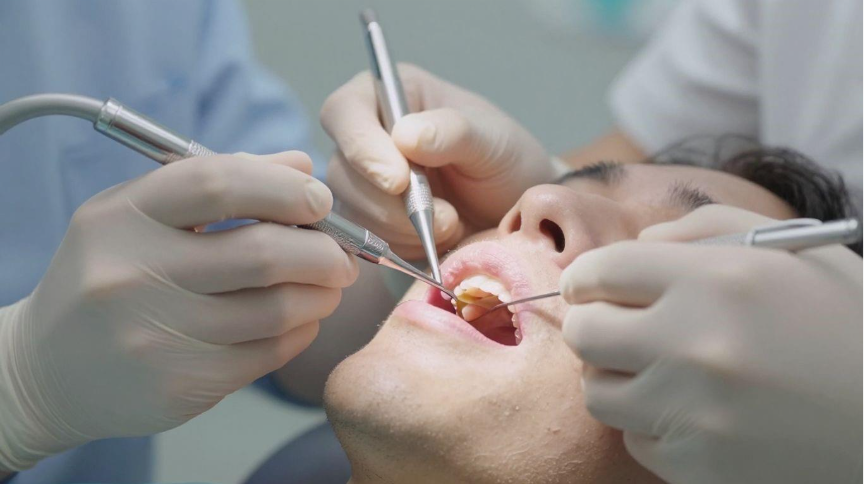
When a dentist says you need a root canal, it's easy to worry about pain. Many people wonder, does a root canal hurt? This procedure often gets a bad rap, but the reality is quite different. Modern dentistry has made root canals much more comfortable than they used to be. This article breaks down what to expect before, during, and after a root canal, focusing on how to manage any discomfort and why this treatment is often the best way to save a tooth.
Key Takeaways
- The pain you feel before a root canal, due to infection or decay, is usually much worse than any discomfort during the procedure itself.
- Local anesthesia is used to completely numb the tooth and surrounding area, so you shouldn't feel pain during the root canal treatment.
- Most patients report feeling only mild pressure or vibrations during the procedure, similar to getting a dental filling.
- Some soreness or sensitivity after a root canal is normal for a few days, but it's typically manageable with over-the-counter pain relievers.
- A root canal is designed to relieve pain and save a tooth, and once healed, the treated tooth should feel and function normally.
Addressing the Fear Behind Root Canal Pain
When people hear the words "root canal," a common reaction is a surge of worry, often fueled by stories or old beliefs about intense pain. It's understandable; the idea of dental work can be unsettling. However, this fear can sometimes overshadow the real purpose of a root canal: to save a tooth that's in trouble and, ultimately, to relieve pain.
Many of the anxieties surrounding root canals stem from outdated information. Modern dentistry has made significant strides, making the procedure far more comfortable than it once was. Think of it this way: the pain you might be feeling before the root canal, due to infection or deep decay, is often much more significant than any discomfort experienced during the treatment itself. The procedure is designed to get rid of that underlying problem.
- "Will it hurt a lot during the procedure?" Thanks to local anesthesia, the area is completely numbed. Most patients report feeling pressure or vibrations, but not sharp pain. It's often compared to the feeling of getting a dental filling.
- "Will I be in pain for weeks afterward?" Some mild sensitivity or soreness for a few days is normal as the tooth and surrounding tissues heal. This is usually manageable with over-the-counter pain relief.
- "Is it really necessary?" If a tooth is infected or badly damaged, a root canal is often the best way to save it. Without treatment, the infection can worsen, leading to more severe pain, swelling, and potentially tooth loss.
Understanding what actually happens during a root canal, and knowing that your comfort is a top priority for your dentist, can make a big difference in easing your mind. The goal is always to resolve the issue causing you pain and restore your tooth's health.
Understanding Why a Root Canal Is Recommended
When a tooth's inner pulp becomes infected or inflamed, it can cause a lot of trouble. This usually happens because of deep decay, a crack, or an injury to the tooth. If left untreated, the infection can spread, leading to more serious problems and, eventually, tooth loss. A root canal procedure is essentially a way to save that tooth.
Think of the pulp as the soft center of the tooth, containing nerves and blood vessels. When this part gets damaged, it can't heal on its own. The goal of a root canal is to remove the damaged pulp, clean out the infection, and then seal the space. This stops the infection from spreading and allows the tooth to remain in your mouth, still functional.
- Pain Relief: Often, the reason you're considering a root canal is because the tooth is already causing significant pain. The procedure itself is designed to end that pain by removing the source of the irritation.
- Saving the Tooth: Without a root canal, the only option might be to extract the tooth. Saving your natural tooth is almost always the best choice for maintaining your bite and preventing other teeth from shifting.
- Preventing Further Infection: An infected tooth can be a gateway for bacteria to spread to other parts of your body. A root canal cleans out the infection, preventing this spread.
While the idea of a root canal might sound daunting, it's important to remember that modern dentistry has made these procedures much more comfortable. The primary aim is to resolve an existing problem and prevent future complications.
So, instead of facing tooth loss or a spreading infection, a root canal offers a way to keep your natural tooth healthy and pain-free.
Does a Root Canal Hurt Before Treatment?
Before you even get to the dental chair for a root canal, you're likely already experiencing some level of discomfort. This is often the main reason people seek dental care in the first place. The tooth itself might be sending signals that something is wrong. These can include a persistent ache, sharp pains when you bite down, or a lingering sensitivity to hot and cold temperatures that doesn't go away quickly. Sometimes, you might notice swelling around the tooth or even a small bump on the gums. This pain is usually caused by infection or inflammation deep inside the tooth's pulp, where the nerves and blood vessels are. The discomfort you feel before a root canal is typically the tooth's way of telling you it needs attention.
Many people worry about whether getting a root canal will hurt, but the pain they're experiencing before the procedure is often much worse than what they'll feel during or after. The infection or damage has already caused significant irritation to the nerve. This is why the tooth hurts. The root canal procedure itself is designed to remove the source of this pain.
- Deep Decay: Cavities that reach the inner part of the tooth can lead to infection.
- Cracked or Chipped Tooth: Damage can expose the pulp to bacteria.
- Trauma: A blow to the tooth, even if it doesn't seem severe, can damage the pulp over time.
- Previous Dental Work: Sometimes, older fillings or procedures can lead to issues down the line.
If you're experiencing these kinds of symptoms, it's a good idea to get them checked out. Prompt attention to dental issues is important. The pain you feel now is a sign that the tooth needs help, and a root canal is often the best way to save it and stop the pain for good.
What a Root Canal Feels Like During Treatment
Many people worry about what a root canal feels like during the procedure itself. The good news is that with today's dental advancements, it's usually much more comfortable than you might imagine. The primary reason for this is local anesthesia. Your dentist will make sure the tooth and the surrounding area are completely numb before starting. This means you shouldn't feel any sharp pain.
What you might experience is a feeling of pressure or some vibrations as the dentist works. Think of it as being similar to getting a regular filling. The goal is to remove the infected or damaged pulp from inside the tooth, clean the canals, and then seal them up. It's a detailed process, but the numbing agent does its job effectively.
- Numbing: You'll feel a small pinch from the anesthetic injection, and then the area will become numb.
- Pressure: You might feel some pushing or pressure, especially when the dentist is working inside the tooth.
- Vibrations: Some patients notice slight vibrations from the dental instruments.
- Sound: You might hear the sound of the dental drill or other instruments.
The most significant sensation during a root canal is typically the absence of pain, replaced by a feeling of mild pressure. The dentist will work carefully to keep you comfortable throughout. If at any point you feel discomfort, let your dentist know immediately. They can administer more anesthetic if needed.
The procedure is designed to stop pain, not cause it. By removing the source of the infection or inflammation, the root canal aims to bring relief. Modern techniques and anesthesia make it a manageable experience for most patients.
After the cleaning and sealing of the canals, the tooth will be temporarily or permanently filled. Sometimes, a temporary filling is placed, and you'll need a follow-up appointment for a permanent restoration like a crown. The entire process is focused on saving your tooth and getting rid of the pain you were experiencing beforehand.
How a Root Canal Feels After Treatment
After the root canal procedure, most people notice a significant decrease in the intense pain they experienced before. The source of that deep discomfort has been addressed. However, it's pretty normal to feel some mild soreness or sensitivity for a few days. Think of it like your body needing a little time to recover from the work that was done.
This post-treatment discomfort is usually manageable. You might feel some tenderness in the gums around the treated tooth, or a slight pressure when you bite down as things settle. Some temporary sensitivity to temperature changes can also occur. These sensations are typically temporary and fade within a week.
- Soreness: Mild soreness in the treated area is common.
- Sensitivity: Temporary sensitivity to pressure or temperature.
- Swelling: Slight swelling of the gums near the tooth might happen.
- Jaw Tenderness: Holding your mouth open for a while can make your jaw feel a bit stiff.
It's important to follow your dentist's instructions for care. This usually involves sticking to softer foods for a day or two and being gentle when brushing and flossing near the treated tooth. Rinsing with warm salt water can also help soothe the area.
While some discomfort is expected as your mouth heals, it should not be severe. If you experience worsening pain, significant swelling, or pain that lasts longer than a week, it's a good idea to get in touch with your dentist. They can check to make sure everything is healing properly.
Over-the-counter pain relievers can often help manage any lingering discomfort. The goal is for the tooth to feel and function normally again, just like your other teeth, without any pain or sensitivity.
Putting Your Worries to Rest
So, does a root canal hurt? The short answer is: not really, especially compared to the pain that landed you in the dentist's chair in the first place. Thanks to modern numbing techniques, the procedure itself is usually quite manageable, often feeling more like a routine filling. You might feel some pressure, sure, but actual pain is rare. After treatment, a little soreness is normal for a few days, but over-the-counter pain relievers usually do the trick. The real win here is saving your tooth and getting rid of that nagging ache. By following your dentist's advice for care, you'll be back to feeling normal and enjoying your smile in no time.
Frequently Asked Questions
Is a root canal procedure painful?
Many people worry about pain, but root canals are usually not as uncomfortable as they fear. Dentists use numbing medicine (local anesthesia) to make sure the area is completely asleep. Most patients feel little to no pain during the procedure, often just gentle pressure or vibrations.
What kind of pain is felt before a root canal?
The pain felt before a root canal is usually from a deep infection or damage inside the tooth. This pain can be quite bad, like a throbbing or sharp ache. The root canal procedure itself is meant to stop this pain by fixing the problem.
What does it feel like during a root canal?
During the treatment, thanks to the numbing medicine, you shouldn't feel pain. You might feel some pressure or a slight vibration from the dental tools. It's often compared to the feeling of getting a dental filling.
Will there be pain after the root canal?
It's normal to feel some mild soreness or sensitivity for a few days after the procedure. This is usually because of the infection that was there or the work done on the tooth. Over-the-counter pain relievers can typically help manage this discomfort.
How long does post-root canal discomfort usually last?
Most discomfort after a root canal fades away within a few days to about a week. If the pain is severe or lasts much longer than that, it's a good idea to call your dentist to make sure everything is healing correctly.
What can be done to help with pain after a root canal?
To help with any soreness, it's recommended to take pain relievers as advised by your dentist. Eating soft foods for the first day or two and being gentle with brushing and flossing around the treated tooth can also help speed up healing and reduce discomfort.
Blog Post Author

Richard Marks | Contributor
Market Igniter