
How Do You Know If You Need a Root Canal
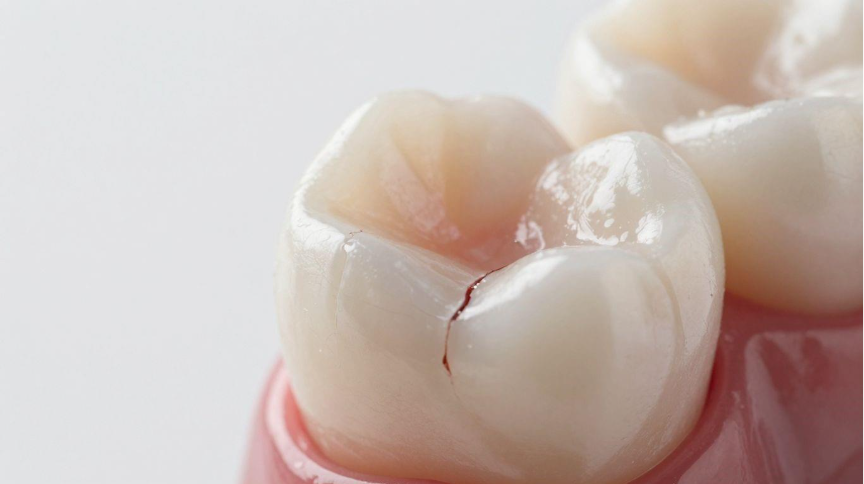
Root canal. Just hearing those words can make some people feel uneasy. It's a dental procedure that gets a bad rap, but often, it's exactly what's needed to save a tooth that's in trouble. So, how do you know if you might need one? Sometimes the signs are pretty obvious, like a toothache that just won't quit. Other times, the problem is hiding beneath the surface, and it takes a dentist's trained eye to spot it before it gets worse. If you're wondering how do dentists know if you need a root canal, or how do u know if you need a root canal, read on for some common signs you need a root canal.
Key Takeaways
- Persistent tooth pain, especially when biting or applying pressure, is a major sign that something is wrong deep inside the tooth.
- Sensitivity to hot or cold temperatures that lingers long after the stimulus is removed can indicate nerve damage.
- A tooth that becomes discolored, turning gray or darker than surrounding teeth, might signal internal infection or decay.
- Swelling in the gums or face, or a pimple-like bump on the gums (abscess), often points to a significant infection needing treatment.
- While these signs are common indicators, only a dentist can accurately diagnose the need for a root canal through examination and tests.
What a Root Canal Really Treats: The Problem Beneath the Surface
When we talk about a root canal, it's easy to get a little nervous. But at its core, this dental procedure is all about fixing a problem that's happening deep inside your tooth, way below the surface you can see. Think of the inside of your tooth as having a soft center called the pulp. This pulp contains nerves and blood vessels, and it's vital when your tooth is developing. However, once your tooth is fully grown, the pulp's main job is to signal when something is wrong, like pain.
Sometimes, due to deep decay, a crack, or even a knock to the tooth, this pulp can become damaged or infected. When that happens, bacteria can multiply inside the pulp chamber. This infection doesn't just stay put; it can cause a lot of trouble. The main goal of a root canal is to remove this infected or damaged pulp, clean out the space inside the tooth, and then seal it up to prevent further problems. It's essentially a way to save a tooth that would otherwise likely need to be pulled.
Here are some common ways the pulp can get into trouble:
- Deep Cavities: If a cavity isn't treated, it can go deeper and deeper, eventually reaching the pulp.
- Cracked or Chipped Teeth: Even small cracks can open the door for bacteria to get inside.
- Trauma to the Tooth: A blow to the tooth, even if it doesn't seem to cause immediate damage, can injure the pulp over time.
When the pulp is infected, it can lead to a lot of discomfort. You might feel persistent pain, sensitivity to hot or cold, or notice your tooth changing color. Sometimes, there might not be obvious pain, but an infection is still brewing. The procedure itself involves carefully cleaning out the inner canals of the tooth's root and then filling and sealing them. This stops the infection and allows you to keep your natural tooth, which is always the best option if possible. It's a way to get rid of the infection and the pain that comes with it, while preserving the tooth's structure.
Key Signs and Symptoms That May Indicate the Need for a Root Canal
So, how do dentists know if you need a root canal? And more importantly, how do you know if you need one yourself? While a dentist has the trained eye to spot subtle issues, there are several common signs you need a root canal that you can look out for. Paying attention to these signals can help you get the care you need sooner rather than later.
Here are some of the most common signs that might mean a root canal is in your future:
- Persistent Tooth Pain: This is often the most obvious indicator. It's not just a fleeting ache; it's a pain that lingers, sometimes throbbing, sometimes sharp. It can happen when you bite down, apply pressure, or even when you're just resting. If a toothache sticks around for more than a few days, it's a strong signal that something is going on deep inside.
- Lingering Sensitivity to Hot and Cold: While most people experience a brief twinge when eating ice cream or drinking hot coffee, a root canal issue presents differently. You might feel sensitivity that lasts for a long time after the hot or cold stimulus is gone. This prolonged discomfort suggests that the inner part of your tooth, the pulp, might be inflamed or damaged.
- Discoloration of a Tooth: Has one of your teeth started looking darker, perhaps grayish or even blackish, compared to the others? This can happen when the pulp inside the tooth dies or becomes infected. Trauma or deep decay can lead to this internal change, making the tooth appear discolored.
- Swelling in the Gums or Face: If you notice swelling around a particular tooth, or even in your jaw or face, it could be a sign of infection. Sometimes, a small bump, like a pimple, might appear on the gums near the affected tooth. This is often the body's way of trying to drain an infection, but it doesn't fix the problem itself.
- Pain When Chewing or Applying Pressure: If biting down on a specific tooth causes pain, or if it feels tender to the touch, it could indicate damage or infection within the tooth's root. This kind of pain shouldn't be ignored.
- A Chipped or Cracked Tooth: Even a small chip or crack can open the door for bacteria to get into the tooth's inner pulp. If left untreated, this can lead to infection and the need for a root canal, even if there isn't immediate pain.
It's important to remember that these signs don't always definitely mean you need a root canal; they can sometimes point to other dental problems. However, they are all good reasons to schedule an appointment with your dentist. They know how to figure out exactly what's going on and how to help.
While some symptoms are quite noticeable, dentists also look for subtle changes that might not be apparent to you. Regular dental check-ups are key because they can catch problems early, sometimes before you even feel any discomfort. This early detection is how dentists often know if you need a root canal before it becomes a bigger issue.
These are the common signs you need a root canal, and recognizing them is the first step toward getting relief and saving your tooth. Don't wait if you're experiencing any of these issues; getting a prompt evaluation is always the best course of action.
Situations Where Symptoms May Be Subtle or Easy to Miss
Sometimes, the signs that a tooth needs a root canal aren't as obvious as a throbbing toothache. You might not even realize there's a problem until a dentist spots it during a routine check-up. This can happen because the early stages of tooth decay or infection might not cause much discomfort.
Even a small chip or crack in a tooth, perhaps from an accident or biting down on something hard, can allow bacteria to get inside. Over time, this can lead to decay and infection deep within the tooth, but it might not hurt right away. It's the hidden damage that can be the most concerning.
Here are a few scenarios where symptoms might be less apparent:
- Discoloration: A tooth might start to look darker, perhaps turning a grayish or even blackish color. This can happen when the pulp inside the tooth dies due to trauma or infection. While some discoloration can be fixed with whitening treatments, a significant change in color often points to a deeper issue.
- Lingering Sensitivity: You might notice sensitivity to hot or cold that doesn't go away quickly. It's not just a quick twinge; the discomfort lingers even after the hot or cold stimulus is gone. This prolonged sensitivity can be a sign that the inner parts of your tooth are compromised.
- Gum Bumps: Sometimes, a small, pimple-like bump can appear on the gums near the affected tooth. This is often a sign that an infection is trying to drain, and while it might temporarily relieve pressure, it doesn't fix the underlying problem.
It's easy to dismiss minor discomfort or slight changes in your teeth, especially if they don't interfere with your daily life. However, these subtle signs can indicate that an infection is brewing beneath the surface, potentially leading to more serious problems if left unaddressed. Regular dental visits are key to catching these issues early.
If you experience prolonged sensitivity to hot or cold, you might need root canal therapy. Don't wait for severe pain to seek professional advice. A dentist can perform tests to determine if there's an issue, even if you're not experiencing significant pain.
What Happens If a Root Canal Is Delayed or Avoided
Putting off a needed root canal can lead to a cascade of problems, turning a manageable issue into something much more serious. When an infection or deep decay is left to fester inside a tooth, it doesn't just stay put. The bacteria can spread, causing more pain and potentially leading to more complex dental work down the line. Ignoring these warning signs can result in the infection spreading to the surrounding bone, causing significant damage and even leading to tooth loss.
If you delay treatment, you might notice a few things happening:
- Increased Pain: The initial discomfort often escalates. What might have been a dull ache can become a sharp, throbbing pain that keeps you up at night.
- Swelling: You could experience swelling in your gums around the affected tooth, or even in your face. This is a sign the infection is spreading.
- Abscess Formation: A pocket of pus, known as an abscess, can form. This can cause intense pain and may drain into your mouth or even through your skin, creating a persistent bump on your gum.
- Further Tooth Damage: The infection can weaken the tooth structure, making it more prone to fracture or even complete loss.
Delaying treatment means the infection has more time to do its damage. This can make the eventual treatment more complicated and potentially more expensive. It's always better to address the problem early. If you suspect you might need a root canal, it's wise to get it checked out by a dentist as soon as possible to prevent further damage.
Sometimes, the symptoms of a tooth needing a root canal aren't obvious. A small crack or deep cavity might not cause immediate pain, but bacteria can still get inside and start an infection. Regular dental check-ups are key to catching these hidden problems before they become major issues.
How a Root Canal Helps Preserve Your Natural Tooth
When a tooth is damaged deep inside, often from decay or injury, the pulp – that soft inner part with nerves and blood vessels – can become infected or inflamed. If this happens, a root canal procedure steps in to save the tooth from needing to be pulled out entirely. Think of it as a way to rescue your natural tooth when it's in serious trouble.
The main goal of a root canal is to remove the infected or damaged pulp. After that, the inside of the tooth is cleaned out thoroughly and then sealed up. This process gets rid of the source of pain and stops the infection from spreading further. By cleaning out the infection and sealing the tooth, a root canal effectively saves your natural tooth from extraction.
Here’s a quick look at what happens:
- Pulp Removal: The infected or damaged pulp is carefully taken out from the tooth's inner chamber and root canals.
- Cleaning and Disinfection: The inside of the tooth is cleaned and disinfected to get rid of any remaining bacteria.
- Filling and Sealing: The cleaned space is filled with a special material, usually gutta-percha, and the tooth is sealed.
- Restoration: Often, a crown is placed over the treated tooth to protect it and bring back its full function.
This procedure allows you to keep your original tooth, which is usually the best option. Natural teeth help you chew properly, maintain the shape of your face, and feel normal when you eat and speak. Without a root canal, an infected tooth might have to be removed, leading to other issues like shifting teeth or the need for more complex replacements.
A root canal is a way to fix a tooth that's badly damaged inside. It cleans out the bad stuff and seals it up, so you don't have to lose the tooth. It's a common procedure that helps people keep their own teeth for a long time.
So, while the idea of a root canal might sound daunting, it's actually a highly effective treatment for saving a tooth that would otherwise be lost. It's all about preserving your natural smile and keeping your mouth healthy.
Don't Wait to Get Checked Out
So, you've read about the signs, and maybe some of them sound familiar. It's easy to put off dental visits, especially if things aren't hurting too badly right now. But remember, those little twinges or that sensitivity could be your tooth telling you something important. Ignoring them usually doesn't make the problem go away; in fact, it often makes it worse and more complicated to fix later on. The best thing you can do for your smile, and your peace of mind, is to schedule an appointment with your dentist. They can take a close look, figure out exactly what's going on, and help you get the right treatment before a small issue turns into a big one. Taking care of your teeth now means a healthier, happier mouth down the road.
Frequently Asked Questions
What exactly is a root canal procedure?
A root canal is a dental treatment that helps fix a tooth that has an infection or damage deep inside. Dentists carefully remove the infected or damaged inner part of the tooth, called the pulp, clean the space, and then fill and seal it. This process saves the tooth from needing to be pulled out.
How can I tell if I might need a root canal?
There are several signs that could mean you need a root canal. These include a persistent toothache that doesn't go away, especially when you bite down or chew. You might also notice your tooth is very sensitive to hot or cold things, or that a tooth has become discolored, looking darker than usual. Swelling in your gums or jaw near the tooth, or even a small bump on your gums, are also important signs to watch for.
Can a cracked or chipped tooth require a root canal?
Yes, a cracked or chipped tooth can sometimes lead to needing a root canal. Even a small crack or chip can allow tiny germs to get inside the tooth and cause an infection over time. If the inner part of the tooth, the pulp, gets exposed or infected due to the damage, a root canal might be necessary to fix it.
What happens if I ignore the signs and don't get a root canal?
If you ignore the signs of an infected tooth and don't get a root canal, the infection can get worse. It might spread to other parts of your mouth and even affect your jawbone. This can lead to more serious health problems and make the tooth harder to save later on. It's best to see a dentist as soon as you notice any troubling symptoms.
Does getting a root canal hurt?
Many people worry that root canals are painful, but with today's modern dental care and numbing medicines, the procedure is usually no more uncomfortable than getting a filling. You might feel some pressure during the treatment, and your tooth might feel a bit sore afterward, but this is typically mild and goes away quickly. Dentists aim to keep you comfortable throughout the process.
How can I prevent needing a root canal in the future?
The best way to avoid needing a root canal is to take good care of your teeth. This means brushing them well after meals and flossing every day to remove food bits and plaque. Regular visits to your dentist for check-ups and cleanings are also very important. Your dentist can spot early problems before they become serious, potentially saving you from needing a root canal later.
Blog Post Author

Richard Marks | Contributor
Market Igniter