
How to Get Rid of Gingivitis Naturally
Understand What Causes Gingivitis
Gingivitis begins when plaque, a sticky film of bacteria, remains along the teeth and gumline. The gums can become irritated before the problem feels painful, which is why early changes are easy to overlook. Learning what is happening makes it easier to choose gentle, useful care rather than chasing a quick fix.
Plaque constantly forms on teeth, especially near the gumline and between teeth, and when it is not removed regularly, the bacteria in it can irritate nearby gum tissue. The body responds with inflammation, causing gums to look red or swollen and to bleed more easily.
Brushing and cleaning between the teeth help remove this film before it hardens into tartar; once tartar forms, it cannot be fully removed with a toothbrush at home, so consistent home care does not replace a professional cleaning when buildup has accumulated.
Common Signs to Look For
Healthy gums usually fit snugly around the teeth and do not bleed during ordinary brushing or flossing. Gingivitis may cause redness, puffiness, tenderness, bleeding, or persistent bad breath. Pay attention to changes that continue for more than a few days; bleeding is not a reason to stop gentle cleaning, since avoiding the area can leave more plaque behind.
Gingivitis affects the gums and is generally considered an early stage of gum disease. With timely care, inflammation may improve and the gum tissue may return to a healthier state. Periodontitis is more advanced and can involve damage to the tissues and bone that support the teeth.
Loose teeth, receding gums, pus, painful chewing, or a change in how teeth fit together deserve professional attention rather than home treatment alone.
Inconsistent brushing and flossing are common contributors, but they are not the only ones. Smoking, tobacco use, dry mouth, hormonal changes, diabetes, crowded teeth, and some medicines can make gum inflammation more likely or make plaque harder to control.
Improve Your Daily Brushing and Flossing Routine
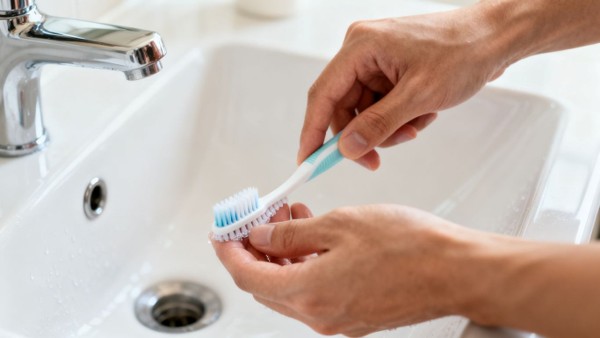
Daily cleaning is the foundation of how to get rid of gingivitis naturally because it addresses the plaque that drives irritation. Natural rinses may soothe the mouth, but they cannot take the place of physically removing plaque. A soft-bristled toothbrush can clean the gumline without putting unnecessary pressure on delicate tissue, and manual and powered brushes can both work when used carefully and consistently.
Hold the brush at a slight angle toward the gumline and use small, controlled movements, working around the outer, inner, and chewing surfaces of each tooth. Gentle pressure protects irritated gums while still disturbing plaque; bleeding may continue briefly when inflamed gums are first cleaned regularly, but persistent or heavy bleeding should be checked by a dental professional.
A toothbrush cannot reach all the surfaces between teeth, so floss, interdental brushes, or another dentist-recommended tool can remove plaque from these narrow spaces. Replace a toothbrush when the bristles become splayed, and check it whenever you restock toothpaste.
Try Natural Remedies That May Support Gum Health
Some simple habits can make an irritated mouth feel more comfortable, but "natural" does not automatically mean harmless or proven to cure gum disease. Use these measures as support for brushing, cleaning between teeth, and professional care when needed, and stop anything that causes burning, swelling, rash, or worsening discomfort.
A mild warm salt-water rinse may temporarily soothe tender gums; stir a small amount of salt into warm, not hot, water, swish gently, and spit it out. This does not remove tartar, and frequent strong rinses should not replace ordinary water or daily plaque removal. Water helps keep the mouth comfortable and supports saliva, which naturally washes away some food particles, so sip regularly, especially in dry environments. Oil pulling involves swishing edible oil around the mouth and then spitting it out; it may leave the mouth feeling clean, but it should not be treated
as a replacement for brushing with fluoride toothpaste, and evidence for it as a treatment for gingivitis remains limited. Essential oils are highly concentrated and can irritate or burn the gums when applied directly, so do not add one to a homemade rinse unless a qualified dental or medical professional has advised you on a safe preparation.
Support Healthier Gums Through Diet and Lifestyle
Gum health is shaped by more than what happens at the sink. Adequate nutrition, tobacco avoidance, hydration, and regular dental care all make it easier for the mouth to recover and stay comfortable, though these changes cannot remove hardened deposits that need
professional attention. A varied diet supplies nutrients needed for normal tissue maintenance, and foods rich in vitamin C can be especially useful when the overall diet has been lacking in produce.
Frequent sugary foods and drinks can encourage plaque activity and increase the risk of tooth decay, so try to keep sweet items with meals rather than grazing throughout the day. Smoking and other tobacco products can worsen oral health and make gum problems harder to manage, and tobacco may also mask bleeding, so a lack of visible blood does not necessarily mean the gums are healthy.
Dry mouth can make plaque control more difficult, so sip water, avoid tobacco, and ask a clinician whether any medicines may be contributing. Avoid chewing pens, biting fingernails, or opening packages with your teeth, since small mechanical irritations can keep tender tissue uncomfortable.
Know What to Avoid When Treating Gingivitis at Home
Home care works best when it is steady and non-aggressive. Pressing hard with a toothbrush does not remove plaque more effectively; it can irritate the gumline and contribute to sensitivity or gum recession over time. Lemon juice, vinegar, undiluted baking soda, and gritty powders are often promoted as household dental remedies, but acids can wear away tooth enamel while abrasive substances may scratch surfaces or irritate gum tissue.
Hydrogen peroxide can irritate the mouth if it is too concentrated, swallowed, used too often, or left in contact with tissues for too long, so household peroxide is not automatically suitable for rinsing unless a dentist specifically advises a particular dilution. Plant-based products may contain allergens, alcohol, strong flavoring agents, or concentrated compounds, so introduce only one new product at a time and be cautious if you have allergies, are pregnant, or take prescription medicines. Swelling of the lips, tongue, or face, trouble breathing, or widespread hives requires urgent medical attention.
How Long Home Care May Take to Help
Mild inflammation may begin to feel better after several days of consistent plaque removal, but the timing varies. Tartar, an infection, smoking, dry mouth, or another condition can prevent improvement, so do not keep increasing the intensity of home remedies simply because the gums are not changing quickly. A useful home-care plan should become easier to maintain, not progressively harsher; if bleeding, swelling, tenderness, or bad breath continues after a week or two of careful care, arrange a dental assessment.
Know When to See a Dentist
Home care is valuable, but it has limits. A dentist can identify tartar, measure the spaces around the teeth, check for decay, and determine whether the problem is gingivitis or something more advanced. Make an appointment if your gums bleed repeatedly, remain red or swollen, or feel tender despite gentle daily cleaning, and mention dry mouth, tobacco use, pregnancy, diabetes, or any recent changes in your routine.
Loose teeth, receding gums, pus near the gumline, deep pockets, facial swelling, or a noticeable change in your bite can indicate a more serious problem, so seek prompt dental care rather than waiting for a rinse or supplement to work. According to the American Dental
Association, gingivitis is the early stage of gum disease, and at this stage the disease is still reversible with a professional cleaning along with daily brushing and flossing. Severe swelling, fever, trouble swallowing, or difficulty breathing may require urgent care.
A dental professional will usually examine the gums and teeth, ask about
symptoms, and look for plaque and tartar. Cleaning may involve removing deposits above and below the gumline, and you may receive advice about brushing angles, interdental tools, or other daily habits. Our team, led by Dr. Trason Shoquist, can walk you through what a cleaning and evaluation involves; to schedule one, visit our Contact page.
How to Prevent Gingivitis From Returning
After symptoms improve, keep the routine that made the difference. Brush twice daily with a soft brush, clean between the teeth every day, attend recommended dental visits, and replace worn oral-care tools. Continue to watch for bleeding instead of treating its disappearance as a reason to stop, and if floss is difficult, ask about interdental brushes or another tool that fits your routine.
Conclusion
Gingivitis often responds to consistent, gentle plaque removal, supportive habits, and timely dental care. Warm salt water, hydration, balanced meals, and tobacco cessation may support comfort and gum health, but harsh scrubbing and untested remedies can backfire. If bleeding or swelling persists, a dentist can find the cause and help you protect your gums for the long term.
Frequently Asked Questions
Can gingivitis go away on its own?
It may improve when plaque is removed consistently, but waiting without changing your routine can allow inflammation to continue. Persistent symptoms should be evaluated by a dentist.
How quickly can gingivitis improve?
Some people notice less bleeding or swelling within days or a couple of weeks of careful care. The timeline depends on plaque, tartar, health conditions, tobacco use, and whether professional cleaning is needed.
Is salt water good for inflamed gums?
A mild warm salt-water rinse may temporarily soothe irritated gums. It does not remove tartar or replace brushing and cleaning between the teeth, and strong or frequent rinses may cause dryness.
Should I stop flossing if my gums bleed?
Usually, gentle daily cleaning is still important because plaque can contribute to bleeding. Use a careful technique and arrange a dental evaluation if bleeding is heavy, persistent, or accompanied by pain or swelling.
Can oil pulling cure gingivitis?
There is not enough evidence to treat oil pulling as a cure. It should never replace brushing, fluoride toothpaste, cleaning between teeth, or professional dental care.
What foods help support gum health?
A varied diet with vegetables, fruit, protein, whole grains, beans, nuts, and suitable dairy or alternatives supports general health. Limiting frequent sugary snacks and drinks can also reduce plaque-related problems.
When is gum swelling an emergency?
Seek urgent care for facial swelling, fever, pus with worsening pain, trouble swallowing, or difficulty breathing. These signs can indicate an infection that needs prompt treatment.
About the Author
Spokane Dental has served the Spokane, Washington area since 2012 from its office at 315 W Hastings Rd. The practice is led by Dr. Trason Shoquist, DMD, a U.S. Army veteran and graduate of Roseman University College of Dental Medicine, who provides preventive, restorative, and periodontal care with a patient-first approach rooted in listening and clear communication.
Disclaimer
The information provided in this article is for educational purposes only and does not constitute professional medical or dental advice, diagnosis, or treatment recommendations. Whether your gum symptoms are gingivitis or a more advanced condition can only be determined through an in-person evaluation. Always consult your dentist with any questions regarding your treatment.
Blog Post Author

Richard Marks | Contributor
Market Igniter