
Replacing What’s Lost: How Dental Implants Restore More Than Just a Smile
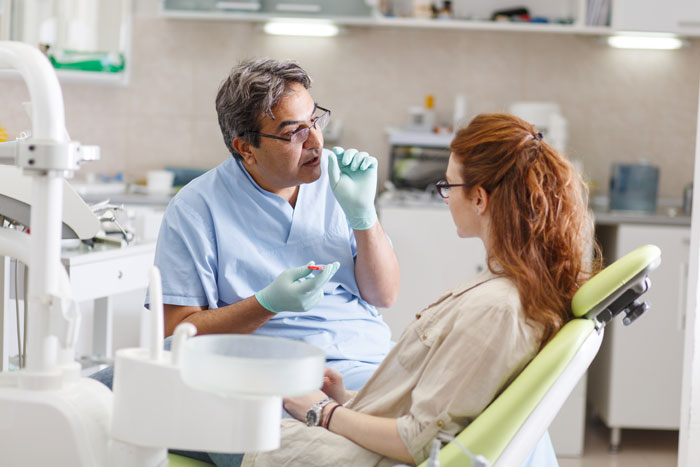
Missing teeth are more than just a cosmetic issue. When a tooth is lost—whether due to advanced periodontitis, injury, or natural wear—it affects the entire mouth. Over time, the surrounding bone begins to deteriorate, nearby teeth may shift, and facial structure can change. These effects impact chewing, speech, and overall oral health.
Dental implants offer a powerful solution. While bridges and dentures replace only the visible portion of a tooth, implants act like natural roots, stimulating the bone and preventing long-term deterioration. Spokane Dental emphasizes that implants provide functional and biological benefits that traditional prosthetics cannot match.
Why Bone Is Important When a Tooth Is Missing
Many people are unaware that healthy jawbone depends on tooth roots for stimulation. When a tooth is removed, the bone loses this essential signal and begins to resorb. This bone loss can become visible over time, creating a sunken or prematurely aged appearance in the lower face.
Dentures rest on the gums and do nothing to prevent bone loss, which continues over time and weakens the foundation for future restorations. Once bone loss begins, it rarely stops on its own—many patients require bone grafting before implants can be placed.
- Tooth roots stimulate the jawbone and keep it healthy
- Bone resorption begins soon after tooth loss
- Dentures sit on the gum and do not prevent bone shrinkage
- Severe bone loss may affect facial appearance and function
The Implant Approach: More Than a Substitute Tooth
Dental implants replace both the crown and the root. The implant post—made of titanium or zirconia—is surgically placed into the jawbone. Over several months, the bone integrates with the implant through osseointegration, creating a stable foundation.
After healing, a custom abutment and crown are attached, resulting in a restoration that looks and feels like a natural tooth. Spokane Dental specializes in all-ceramic zirconia implants, which are ideal for patients seeking metal-free solutions.
Modern surgical planning may include:
- Guided bone regeneration
- Sinus augmentation
- Immediate implant placement (in select cases)
- Staged placement for long-term predictability
How Implants Compare to Bridges and Dentures
Implants are not just cosmetic—they significantly improve the long-term health of the mouth. Traditional bridges require shaving down the two healthy teeth adjacent to the gap, which compromises natural tooth structure and does not prevent bone loss.
Dentures, while more affordable initially, can cause pressure points, irritation, difficulty with speech or chewing, and accelerated bone shrinkage over time.
- Bridges weaken healthy teeth used as anchors
- Dentures may become loose as bone shrinks
- Implants preserve bone and maintain facial structure
- Implant-supported teeth restore natural bite strength
Things to Think About and Who Can Be a Good Candidate
Not everyone is an ideal candidate for implants. Healing capacity, bone availability, and overall health play major roles. Smoking, uncontrolled diabetes, or untreated gum disease can interfere with successful outcomes.
Age, however, is not a limiting factor—many older adults are excellent candidates as long as their bone and gum health are stable.
- Smoking may slow healing and reduce success rates
- Bone quality and volume must be evaluated first
- Preparatory procedures may be required
- Personalized treatment planning ensures the best results
Protecting the Investment: Maintenance and Longevity
Dental implants require the same care as natural teeth. Daily brushing and flossing, along with professional cleanings, are essential. While implants cannot decay, they can develop peri-implantitis—gum inflammation that threatens stability.
Spokane Dental recommends regular checkups and avoiding overly hard foods to maintain implant integrity. When maintained properly, implants can last decades. Many clinical studies show implant success rates above 95% after ten years.
- Brush and floss daily
- Maintain routine cleanings and checkups
- Avoid excessive biting forces on hard foods
- Monitor implant sites for any signs of inflammation
The Lesson
Dental implants do far more than fill a gap—they help maintain the entire oral system. By mimicking the function of natural teeth and preventing bone loss, implants remain one of the most advanced and reliable restorative options in dentistry.
While not all patients qualify, those who do can enjoy strong, natural-looking restorations that support long-term oral health. Spokane Dental uses advanced ceramic materials to deliver restorations that are both clinically sound and comfortable.
Ready to Explore Dental Implants?
Call (509) 822-5614 to schedule a professional consultation and find out if dental implants are the right choice for you.
Blog Post Author

Richard Marks | Contributor
Market Igniter