
What Are Dentures?
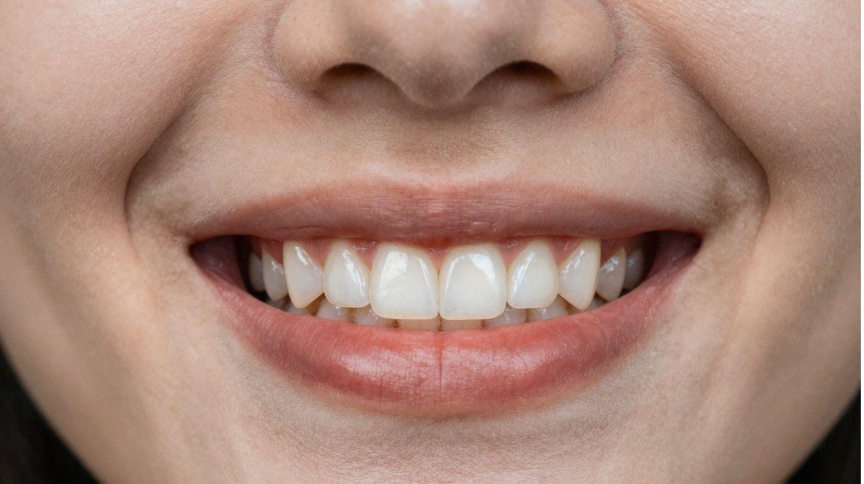
Losing teeth can affect how you eat, speak, and feel about your smile. Dentures are a long-standing and effective solution that help replace missing teeth, restore function, and improve confidence. They are custom-made dental appliances designed to look and function like natural teeth.
Key Takeaways
- Dentures are custom-made appliances that replace missing teeth and surrounding tissues.
- They improve chewing, speech, facial structure, and overall confidence.
- Full dentures replace all teeth, while partial dentures replace only some.
- Fixed or implant-supported dentures offer added stability.
- Proper daily care and regular dental visits are essential.
What Dentures Are and How They Work
Dentures are prosthetic devices made to replace missing teeth. They consist of artificial teeth attached to a gum-colored base that fits over your gums. Dentures help restore normal mouth function and support facial muscles.
- Artificial teeth made from durable resin
- Gum-colored base that rests on the gums
- Custom fit for comfort and appearance
Full dentures rely on suction or adhesive, while partial dentures use remaining natural teeth for support. Implant-supported dentures are anchored to the jawbone for maximum stability.
Types of Dentures and When They Are Used
Different denture types are available depending on how many teeth are missing and your oral health needs.
- Full dentures replace all teeth in the upper or lower jaw
- Partial dentures replace some missing teeth and attach to natural teeth
- Immediate dentures are placed right after tooth extraction
- Implant-supported dentures are secured to dental implants
- Overdentures fit over remaining teeth or implants
Your dentist will recommend the best option based on comfort, stability, and long-term goals.
The Process of Getting Dentures
Getting dentures involves several steps to ensure a comfortable and functional fit.
- Initial consultation and treatment planning
- Taking detailed impressions of the mouth
- Bite alignment and measurements
- Wax try-in to check appearance and comfort
- Final fitting and adjustments
The process may take several appointments, but it ensures your dentures fit well and look natural.
Living With Dentures
Adjusting to dentures takes time. Eating and speaking may feel different at first, but most people adapt quickly with practice.
- Start with soft foods and small bites
- Chew evenly on both sides of the mouth
- Practice speaking to improve clarity
Daily care is essential to keep dentures clean and comfortable.
Denture Care and Maintenance
- Remove and rinse dentures after eating
- Brush dentures daily with a soft brush
- Clean gums and tongue regularly
- Soak dentures overnight in water or solution
- Remove dentures before sleeping
Regular dental check-ups help ensure proper fit and oral health.
Benefits of Choosing Dentures
Dentures offer many advantages for people with missing teeth.
- Restore chewing ability and nutrition
- Support facial structure and appearance
- Improve speech clarity
- Boost confidence and quality of life
- Provide a cost-effective tooth replacement option
Thinking About Dentures?
So, dentures are basically custom-made replacements for missing teeth that can really help you eat, speak, and feel better about your smile. Whether you need a full set or just a few replacements, there's likely a type of denture that can work for you. It's true they take some getting used to, and keeping them clean is important, but many people find they make a big difference in their daily lives. If you're wondering if dentures might be the right choice for you, the best step is to talk with your dentist. They can look at your specific situation and help you figure out the best way forward for your oral health and overall well-being. Contact Spokane Dental today to learn more about dentures and find the right tooth replacement option for your smile.
Frequently Asked Questions
What are dentures?
Dentures are removable dental appliances that replace missing teeth and restore mouth function.
What materials are used to make dentures?
Dentures are usually made from acrylic resin with durable artificial teeth.
Are dentures removable?
Most dentures are removable, but some are fixed or supported by implants.
Can I eat normally with dentures?
Yes, with time and practice, dentures allow you to eat a wide variety of foods.
Should dentures be worn while sleeping?
No, dentures should be removed at night to allow gums to rest.
Do dentures improve speech?
Yes, dentures help improve speech by replacing missing teeth and supporting facial muscles.
Blog Post Author

Richard Marks | Contributor
Market Igniter