
When Teeth Weaken, Crowns Offer a Second Chance
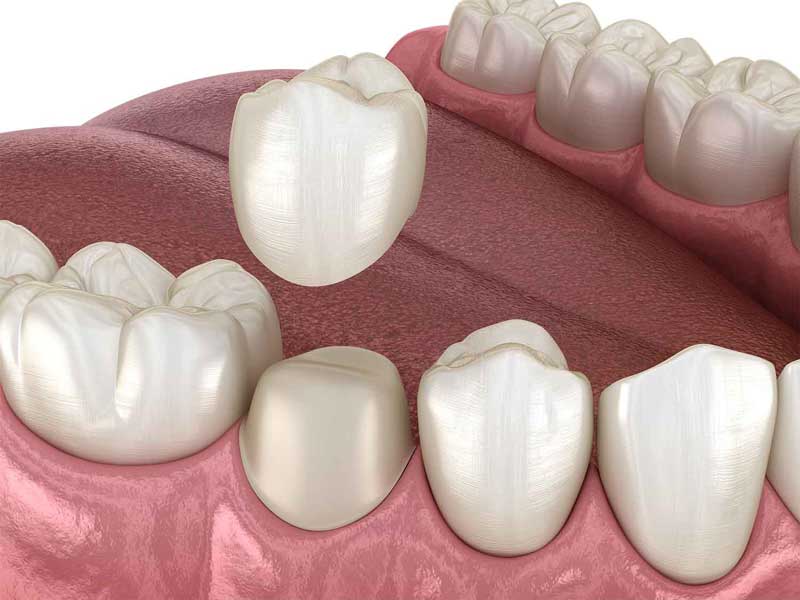
It often begins with a tooth that is badly decayed, heavily filled, or fractured. It may still function, but it is no longer structurally strong. Over time, this weakness can lead to pain, infection, or even tooth loss. In such cases, a dental crown is more than a cosmetic enhancement—it is a long-term solution to protect and restore oral health.
Crowns, or “custom-made caps that fully encase a tooth,” strengthen weakened teeth and restore their natural shape. They are essential in modern dentistry because they enhance aesthetics while also preventing additional damage.
Understanding When a Crown Becomes Necessary
You don’t need a crown for every damaged tooth, but you do when the tooth is too weak for fillings or onlays. Common reasons include:
- Extensive decay weakening the tooth structure
- Large or failing fillings
- Teeth that have undergone root canal therapy
- Cosmetic concerns such as discoloration or misshapen enamel
Root canal–treated teeth are especially vulnerable to fracture because moisture and tissue are removed during the procedure. A crown prevents these teeth from breaking and becoming non-restorable.
Making a Crown: From Digital Precision to Hand-Finished Detail
Modern crown fabrication combines advanced technology with skilled artistry. After preparing the tooth, dentists take either a traditional impression or a digital scan—today, digital imaging is the preferred method for accuracy.
The crown creation process typically involves:
- Precise digital scanning for an exact tooth model
- Designing the crown for ideal fit and function
- Fabrication using zirconia or lithium disilicate ceramic
- Hand-polishing and shade matching for aesthetics
- Adhesive bonding using strong resin cements
Lithium disilicate offers both beauty and strength for single-tooth restorations, while zirconia provides durability for back teeth or heavy-bite patients.
Why Crowns Remain a Cornerstone of Restorative Dentistry
A crown restores more than the appearance of a tooth—it restores its long-term health.
- Strengthens weak or cracked teeth
- Protects against further breakage
- Improves chewing comfort
- Reduces sensitivity and prevents reinfection
With modern chairside technology, shade matching and fabrication can often be done with fewer appointments, reducing the need for temporary crowns. Spokane Dental emphasizes their commitment to efficient, accurate restorative care.
Considerations Before Moving Forward
While crowns are versatile, some factors must be evaluated first:
- Insufficient tooth structure may require a post and core
- Active gum disease must be treated before crown placement
- Bite force determines whether ceramic or zirconia is the better choice
- Bruxism (teeth grinding) may require a night guard
Discussing these considerations with your dentist helps ensure the crown is functional, durable, and personalized.
Caring for a Crowned Tooth
After placement, crowns require consistent care:
- Brush twice daily with fluoride toothpaste
- Floss regularly to prevent decay at the margins
- Schedule dental cleanings every six months
- Check bite and crown edges during routine visits
With proper maintenance, crowns can last more than 10 years. Early detection of minor wear or chipping can prevent major problems.
To Put It Simply
Crowns aren’t just cosmetic—they are scientifically supported restorations designed with precision and care. A crown can strengthen, protect, and restore a tooth to normal function, giving patients long-term confidence in their smile.
If you choose the right materials, follow proper techniques, and maintain good oral care, crown restorations can offer years of durability and comfort.
Ready to Restore Your Smile?
To schedule an appointment or discuss crowns and other restorative options, call (509) 822-5614.
Blog Post Author

Karissa Barker BSDH | Contributor
Spokane Dental